
THERE IS ANOTHER EDITION OF THIS TITLE WITH ADDITIONAL ILLUSTRATIONS WHICH MAY VIEWED AT EBOOK [# 28693 ] Transcribed from the 1914 William Heinemann edition by DavidPrice,best play kitchens for 2 year olds under 25 dollars email [email protected]

Tales of the
Fish PatrolBy
Jack London
Author of “Burning Daylight,” etc.
London
William Heinemann
1914p. 1WHITEAND YELLOW
San Francisco Bay is so large thatoften its storms are more disastrous to ocean-going craft than isthe ocean itself in its violent moments. The waters of thebay contain all manner of fish, wherefore its surface is ploughedby the keels of all manner of fishing boats manned by all mannerof fishermen. To protect the fish from this motley floatingpopulation many wise laws have been passed, and there is a fishpatrol to see that these laws are enforced. Exciting timesare the lot of the fish patrol: in its history more than one deadpatrolman has marked defeat, and more often dead fishermen acrosstheir illegal nets have marked success.
Wildest among the fisher-folk may be accounted the Chineseshrimp-catchers. It is the habit of the shrimp to crawlalong the bottom in vast armies till it reaches fresh water, whenit turns about and crawls back again to the salt. And wherethe tide ebbs and flows, the Chinese sink great bag-nets to thebottom, with gaping mouths, into which the shrimp crawls and fromwhich it is transferred to the boiling-pot. This in itselfwould not be bad, were it not for the small mesh of the nets, sosmall that the tiniest fishes, little new-hatched things not aquarter of an inch long, cannot pass through. The beautifulbeaches of Points Pedro and Pablo, where are theshrimp-catchers’ villages, are made fearful by the stenchfrom myriads of decaying fish, and against this wastefuldestruction it has ever been the duty of the fish patrol toact.
When I was a youngster of sixteen, a good sloop-sailor andall-round bay-waterman, my sloop, the Reindeer, waschartered by the Fish Commission, and I became for the time beinga deputy patrolman. After a deal of work among the Greekfishermen of the Upper Bay and rivers, where knives flashed atthe beginning of trouble and men permitted themselves to be madeprisoners only after a revolver was thrust in their faces, wehailed with delight an expedition to the Lower Bay against theChinese shrimp-catchers.
There were six of us, in two boats, and to avoid suspicion weran down after dark and dropped anchor under a projecting bluffof land known as Point Pinole. As the east paled with thefirst light of dawn we got under way again, and hauled close onthe land breeze as we slanted across the bay toward PointPedro. The morning mists curled and clung to the water sothat we could see nothing, but we busied ourselves driving thechill from our bodies with hot coffee. Also we had todevote ourselves to the miserable task of bailing, for in someincomprehensible way the Reindeerhad sprung a generousleak. Half the night had been spent in overhauling theballast and exploring the seams, but the labor had been withoutavail. The water still poured in, and perforce we doubledup in the cockpit and tossed it out again.
After coffee, three of the men withdrew to the other boat, aColumbia River salmon boat, leaving three of us in theReindeer. Then the two craft proceeded in companytill the sun showed over the eastern sky-line. Its fieryrays dispelled the clinging vapors, and there, before our eyes,like a picture, lay the shrimp fleet, spread out in a greathalf-moon, the tips of the crescent fully three miles apart, andeach junk moored fast to the buoy of a shrimp-net. Butthere was no stir, no sign of life.
The situation dawned upon us. While waiting for slackwater, in which to lift their heavy nets from the bed of the bay,the Chinese had all gone to sleep below. We were elated,and our plan of battle was swiftly formed.
“Throw each of your two men on to a junk,”whispered Le Grant to me from the salmon boat. “Andyou make fast to a third yourself. We’ll do the same,and there’s no reason in the world why we shouldn’tcapture six junks at the least.”
Then we separated. I put the Reindeerabout onthe other tack, ran up under the lee of a junk, shivered themainsail into the wind and lost headway, and forged past thestern of the junk so slowly and so near that one of the patrolmenstepped lightly aboard. Then I kept off, filled themainsail, and bore away for a second junk.
Up to this time there had been no noise, but from the firstjunk captured by the salmon boat an uproar now broke forth. There was shrill Oriental yelling, a pistol shot, and moreyelling.
“It’s all up. They’re warning theothers,” said George, the remaining patrolman, as he stoodbeside me in the cockpit.
By this time we were in the thick of the fleet, and the alarmwas spreading with incredible swiftness. The decks werebeginning to swarm with half-awakened and half-nakedChinese. Cries and yells of warning and anger were flyingover the quiet water, and somewhere a conch shell was being blownwith great success. To the right of us I saw the captain ofa junk chop away his mooring line with an axe and spring to helphis crew at the hoisting of the huge, outlandish lug-sail. But to the left the first heads were popping up from below onanother junk, and I rounded up the Reindeeralongside longenough for George to spring aboard.
The whole fleet was now under way. In addition to thesails they had gotten out long sweeps, and the bay was beingploughed in every direction by the fleeing junks. I was nowalone in the Reindeer, seeking feverishly to capture athird prize. The first junk I took after was a clean miss,for it trimmed its sheets and shot away surprisingly into thewind. By fully half a point it outpointed theReindeer, and I began to feel respect for the clumsycraft. Realizing the hopelessness of the pursuit, I filledaway, threw out the main-sheet, and drove down before the windupon the junks to leeward, where I had them at adisadvantage.
The one I had selected wavered indecisively before me, and, asI swung wide to make the boarding gentle, filled suddenly anddarted away, the smart Mongols shouting a wild rhythm as theybent to the sweeps. But I had been ready for this. Iluffed suddenly. Putting the tiller hard down, and holdingit down with my body, I brought the main-sheet in, hand overhand, on the run, so as to retain all possible strikingforce. The two starboard sweeps of the junk were crumpledup, and then the two boats came together with a crash. TheReindeer’sbowsprit, like a monstrous hand, reachedover and ripped out the junk’s chunky mast and toweringsail.
This was met by a curdling yell of rage. A big Chinaman,remarkably evil-looking, with his head swathed in a yellow silkhandkerchief and face badly pock-marked, planted a pike-pole onthe Reindeer’sbow and began to shove the entangledboats apart. Pausing long enough to let go the jibhalyards, and just as the Reindeercleared and began todrift astern, I leaped aboard the junk with a line and madefast. He of the yellow handkerchief and pock-marked facecame toward me threateningly, but I put my hand into my hippocket, and he hesitated. I was unarmed, but the Chinesehave learned to be fastidiously careful of American hip pockets,and it was upon this that I depended to keep him and his savagecrew at a distance.
I ordered him to drop the anchor at the junk’s bow, towhich he replied, “No sabbe.” The crewresponded in like fashion, and though I made my meaning plain bysigns, they refused to understand. Realizing theinexpediency of discussing the matter, I went forward myself,overran the line, and let the anchor go.
“Now get aboard, four of you,” I said in a loudvoice, indicating with my fingers that four of them were to gowith me and the fifth was to remain by the junk. The YellowHandkerchief hesitated; but I repeated the order fiercely (muchmore fiercely than I felt), at the same time sending my hand tomy hip. Again the Yellow Handkerchief was overawed, andwith surly looks he led three of his men aboard theReindeer. I cast off at once, and, leaving the jibdown, steered a course for George’s junk. Here it waseasier, for there were two of us, and George had a pistol to fallback on if it came to the worst. And here, as with my junk,four Chinese were transferred to the sloop and one left behind totake care of things.
Four more were added to our passenger list from the thirdjunk. By this time the salmon boat had collected its twelveprisoners and came alongside, badly overloaded. To makematters worse, as it was a small boat, the patrolmen were sojammed in with their prisoners that they would have little chancein case of trouble.
“You’ll have to help us out,” said LeGrant.
I looked over my prisoners, who had crowded into the cabin andon top of it. “I can take three,” Ianswered.
“Make it four,” he suggested, “andI’ll take Bill with me.” (Bill was the thirdpatrolman.) “We haven’t elbow room here, and incase of a scuffle one white to every two of them will be justabout the right proportion.”
The exchange was made, and the salmon boat got up itsspritsail and headed down the bay toward the marshes off SanRafael. I ran up the jib and followed with theReindeer. San Rafael, where we were to turn ourcatch over to the authorities, communicated with the bay by wayof a long and tortuous slough, or marshland creek, which could benavigated only when the tide was in. Slack water had come,and, as the ebb was commencing, there was need for hurry if wecared to escape waiting half a day for the next tide.
But the land breeze had begun to die away with the rising sun,and now came only in failing puffs. The salmon boat got outits oars and soon left us far astern. Some of the Chinesestood in the forward part of the cockpit, near the cabin doors,and once, as I leaned over the cockpit rail to flatten down thejib-sheet a bit, I felt some one brush against my hippocket. I made no sign, but out of the corner of my eye Isaw that the Yellow Handkerchief had discovered the emptiness ofthe pocket which had hitherto overawed him.
To make matters serious, during all the excitement of boardingthe junks the Reindeerhad not been bailed, and the waterwas beginning to slush over the cockpit floor. Theshrimp-catchers pointed at it and looked to me questioningly.
“Yes,” I said. “Bime by, allee samedlown, velly quick, you no bail now. Sabbe?”
No, they did not “sabbe,” or at least they shooktheir heads to that effect, though they chattered mostcomprehendingly to one another in their own lingo. I pulledup three or four of the bottom boards, got a couple of bucketsfrom a locker, and by unmistakable sign-language invited them tofall to. But they laughed, and some crowded into the cabinand some climbed up on top.
Their laughter was not good laughter. There was a hintof menace in it, a maliciousness which their black looksverified. The Yellow Handkerchief, since his discovery ofmy empty pocket, had become most insolent in his bearing, and hewormed about among the other prisoners, talking to them withgreat earnestness.
Swallowing my chagrin, I stepped down into the cockpit andbegan throwing out the water. But hardly had I begun, whenthe boom swung overhead, the mainsail filled with a jerk, and theReindeerheeled over. The day wind was springingup. George was the veriest of landlubbers, so I was forcedto give over bailing and take the tiller. The wind wasblowing directly off Point Pedro and the high mountains behind,and because of this was squally and uncertain, half the timebellying the canvas out and the other half flapping it idly.
George was about the most all-round helpless man I had evermet. Among his other disabilities, he was a consumptive,and I knew that if he attempted to bail, it might bring on ahemorrhage. Yet the rising water warned me that somethingmust be done. Again I ordered the shrimp-catchers to lend ahand with the buckets. They laughed defiantly, and thoseinside the cabin, the water up to their ankles, shouted back andforth with those on top.
“You’d better get out your gun and make thembail,” I said to George.
But he shook his head and showed all too plainly that he wasafraid. The Chinese could see the funk he was in as well asI could, and their insolence became insufferable. Those inthe cabin broke into the food lockers, and those above scrambleddown and joined them in a feast on our crackers and cannedgoods.
“What do we care?” George said weakly.
I was fuming with helpless anger. “If they get outof hand, it will be too late to care. The best thing youcan do is to get them in check right now.”
The water was rising higher and higher, and the gusts,forerunners of a steady breeze, were growing stiffer andstiffer. And between the gusts, the prisoners, havinggotten away with a week’s grub, took to crowding first toone side and then to the other till the Reindeerrockedlike a cockle-shell. Yellow Handkerchief approached me,and, pointing out his village on the Point Pedro beach, gave meto understand that if I turned the Reindeerin thatdirection and put them ashore, they, in turn, would go tobailing. By now the water in the cabin was up to the bunks,and the bed-clothes were sopping. It was a foot deep on thecockpit floor. Nevertheless I refused, and I could see byGeorge’s face that he was disappointed.
“If you don’t show some nerve, they’ll rushus and throw us overboard,” I said to him. “Better give me your revolver, if you want to besafe.”
“The safest thing to do,” he chattered cravenly,“is to put them ashore. I, for one, don’t wantto be drowned for the sake of a handful of dirtyChinamen.”
“And I, for another, don’t care to give in to ahandful of dirty Chinamen to escape drowning,” I answeredhotly.
“You’ll sink the Reindeerunder us all atthis rate,” he whined. “And what goodthat’ll do I can’t see.”
“Every man to his taste,” I retorted.
He made no reply, but I could see he was tremblingpitifully. Between the threatening Chinese and the risingwater he was beside himself with fright; and, more than theChinese and the water, I feared him and what his fright mightimpel him to do. I could see him casting longing glances atthe small skiff towing astern, so in the next calm I hauled theskiff alongside. As I did so his eyes brightened with hope;but before he could guess my intention, I stove the frail bottomthrough with a hand-axe, and the skiff filled to itsgunwales.
“It’s sink or float together,” I said. “And if you’ll give me your revolver, I’ll havethe Reindeerbailed out in a jiffy.”
“They’re too many for us,” hewhimpered. “We can’t fight them all.”
I turned my back on him in disgust. The salmon boat hadlong since passed from sight behind a little archipelago known asthe Marin Islands, so no help could be looked for from thatquarter. Yellow Handkerchief came up to me in a familiarmanner, the water in the cockpit slushing against his legs. I did not like his looks. I felt that beneath the pleasantsmile he was trying to put on his face there was an illpurpose. I ordered him back, and so sharply that heobeyed.
“Now keep your distance,” I commanded, “anddon’t you come closer!”
“Wha’ fo’?” he demandedindignantly. “I t’ink-um talkee talkee heapgood.”
“Talkee talkee,” I answered bitterly, for I knewnow that he had understood all that passed between George andme. “What for talkee talkee? You no sabbetalkee talkee.”
He grinned in a sickly fashion. “Yep, I sabbevelly much. I honest Chinaman.”
“All right,” I answered. “You sabbetalkee talkee, then you bail water plenty plenty. Afterthat we talkee talkee.”
He shook his head, at the same time pointing over his shoulderto his comrades. “No can do. Velly badChinamen, heap velly bad. It’ink-um—”
“Stand back!” I shouted, for I had noticed hishand disappear beneath his blouse and his body prepare for aspring.
Disconcerted, he went back into the cabin, to hold a council,apparently, from the way the jabbering broke forth. TheReindeerwas very deep in the water, and her movements hadgrown quite loggy. In a rough sea she would have inevitablyswamped; but the wind, when it did blow, was off the land, andscarcely a ripple disturbed the surface of the bay.
“I think you’d better head for the beach,”George said abruptly, in a manner that told me his fear hadforced him to make up his mind to some course of action.
“I think not,” I answered shortly.
“I command you,” he said in a bullying tone.
“I was commanded to bring these prisoners into SanRafael,” was my reply.
Our voices were raised, and the sound of the altercationbrought the Chinese out of the cabin.
“Now will you head for the beach?”
This from George, and I found myself looking into the muzzleof his revolver—of the revolver he dared to use on me, butwas too cowardly to use on the prisoners.
My brain seemed smitten with a dazzling brightness. Thewhole situation, in all its bearings, was focussed sharply beforeme—the shame of losing the prisoners, the worthlessness andcowardice of George, the meeting with Le Grant and the otherpatrol men and the lame explanation; and then there was the fightI had fought so hard, victory wrenched from me just as I thoughtI had it within my grasp. And out of the tail of my eye Icould see the Chinese crowding together by the cabin doors andleering triumphantly. It would never do.
I threw my hand up and my head down. The first actelevated the muzzle, and the second removed my head from the pathof the bullet which went whistling past. One hand closed onGeorge’s wrist, the other on the revolver. YellowHandkerchief and his gang sprang toward me. It was now ornever. Putting all my strength into a sudden effort, Iswung George’s body forward to meet them. Then Ipulled back with equal suddenness, ripping the revolver out ofhis fingers and jerking him off his feet. He fell againstYellow Handkerchief’s knees, who stumbled over him, and thepair wallowed in the bailing hole where the cockpit floor wastorn open. The next instant I was covering them with myrevolver, and the wild shrimp-catchers were cowering and cringingaway.
But I swiftly discovered that there was all the difference inthe world between shooting men who are attacking and men who aredoing nothing more than simply refusing to obey. For obeythey would not when I ordered them into the bailing hole. Ithreatened them with the revolver, but they sat stolidly in theflooded cabin and on the roof and would not move.
Fifteen minutes passed, the Reindeersinking deeper anddeeper, her mainsail flapping in the calm. But from off thePoint Pedro shore I saw a dark line form on the water and traveltoward us. It was the steady breeze I had been expecting solong. I called to the Chinese and pointed it out. They hailed it with exclamations. Then I pointed to thesail and to the water in the Reindeer, and indicated bysigns that when the wind reached the sail, what of the wateraboard we would capsize. But they jeered defiantly, forthey knew it was in my power to luff the helm and let go themain-sheet, so as to spill the wind and escape damage.
But my mind was made up. I hauled in the main-sheet afoot or two, took a turn with it, and bracing my feet, put myback against the tiller. This left me one hand for thesheet and one for the revolver. The dark line drew nearer,and I could see them looking from me to it and back again with anapprehension they could not successfully conceal. My brainand will and endurance were pitted against theirs, and theproblem was which could stand the strain of imminent death thelonger and not give in.
Then the wind struck us. The main-sheet tautened with abrisk rattling of the blocks, the boom uplifted, the sail belliedout, and the Reindeerheeled over—over, and over,till the lee-rail went under, the cabin windows went under, andthe bay began to pour in over the cockpit rail. Soviolently had she heeled over, that the men in the cabin had beenthrown on top of one another into the lee bunk, where theysquirmed and twisted and were washed about, those underneathbeing perilously near to drowning.
The wind freshened a bit, and the Reindeerwent overfarther than ever. For the moment I thought she was gone,and I knew that another puff like that and she surely wouldgo. While I pressed her under and debated whether I shouldgive up or not, the Chinese cried for mercy. I think it wasthe sweetest sound I have ever heard. And then, and notuntil then, did I luff up and ease out the main-sheet. TheReindeerrighted very slowly, and when she was on an evenkeel was so much awash that I doubted if she could be saved.
But the Chinese scrambled madly into the cockpit and fell tobailing with buckets, pots, pans, and everything they could layhands on. It was a beautiful sight to see that water flyingover the side! And when the Reindeerwas high andproud on the water once more, we dashed away with the breeze onour quarter, and at the last possible moment crossed the mudflats and entered the slough.
The spirit of the Chinese was broken, and so docile did theybecome that ere we made San Rafael they were out with thetow-rope, Yellow Handkerchief at the head of the line. Asfor George, it was his last trip with the fish patrol. Hedid not care for that sort of thing, he explained, and he thoughta clerkship ashore was good enough for him. And we thoughtso too.
p. 21THEKING OF THE GREEKS
Big Alec had never been captured bythe fish patrol. It was his boast that no man could takehim alive, and it was his history that of the many men who hadtried to take him dead none had succeeded. It was alsohistory that at least two patrolmen who had tried to take himdead had died themselves. Further, no man violated the fishlaws more systematically and deliberately than Big Alec.
He was called “Big Alec” because of his giganticstature. His height was six feet three inches, and he wascorrespondingly broad-shouldered and deep-chested. He wassplendidly muscled and hard as steel, and there were innumerablestories in circulation among the fisher-folk concerning hisprodigious strength. He was as bold and dominant of spiritas he was strong of body, and because of this he was widely knownby another name, that of “The King of theGreeks.” The fishing population was largely composedof Greeks, and they looked up to him and obeyed him as theirchief. And as their chief, he fought their fights for them,saw that they were protected, saved them from the law when theyfell into its clutches, and made them stand by one another andhimself in time of trouble.
In the old days, the fish patrol had attempted his capturemany disastrous times and had finally given it over, so that whenthe word was out that he was coming to Benicia, I was mostanxious to see him. But I did not have to hunt himup. In his usual bold way, the first thing he did onarriving was to hunt us up. Charley Le Grant and I at thetime were under a patrolman named Carmintel, and the three of uswere on the Reindeer, preparing for a trip, when Big Alecstepped aboard. Carmintel evidently knew him, for theyshook hands in recognition. Big Alec took no notice ofCharley or me.
“I’ve come down to fish sturgeon a couple ofmonths,” he said to Carmintel.
His eyes flashed with challenge as he spoke, and we noticedthe patrolman’s eyes drop before him.
“That’s all right, Alec,” Carmintel said ina low voice. “I’ll not bother you. Comeon into the cabin, and we’ll talk things over,” headded.
When they had gone inside and shut the doors after them,Charley winked with slow deliberation at me. But I was onlya youngster, and new to men and the ways of some men, so I didnot understand. Nor did Charley explain, though I feltthere was something wrong about the business.
Leaving them to their conference, at Charley’ssuggestion we boarded our skiff and pulled over to the OldSteamboat Wharf, where Big Alec’s ark was lying. Anark is a house-boat of small though comfortable dimensions, andis as necessary to the Upper Bay fisherman as are nets andboats. We were both curious to see Big Alec’s ark,for history said that it had been the scene of more than onepitched battle, and that it was riddled with bullet-holes.
We found the holes (stopped with wooden plugs and paintedover), but there were not so many as I had expected. Charley noted my look of disappointment, and laughed; and then tocomfort me he gave an authentic account of one expedition whichhad descended upon Big Alec’s floating home to capture him,alive preferably, dead if necessary. At the end of half aday’s fighting, the patrolmen had drawn off in wreckedboats, with one of their number killed and three wounded. And when they returned next morning with reinforcements theyfound only the mooring-stakes of Big Alec’s ark; the arkitself remained hidden for months in the fastnesses of the Suisuntules.
“But why was he not hanged for murder?” Idemanded. “Surely the United States is powerfulenough to bring such a man to justice.”
“He gave himself up and stood trial,” Charleyanswered. “It cost him fifty thousand dollars to winthe case, which he did on technicalities and with the aid of thebest lawyers in the state. Every Greek fisherman on theriver contributed to the sum. Big Alec levied and collectedthe tax, for all the world like a king. The United Statesmay be all-powerful, my lad, but the fact remains that Big Alecis a king inside the United States, with a country and subjectsall his own.”
“But what are you going to do about his fishing forsturgeon? He’s bound to fish with a ‘Chineseline.’”
Charley shrugged his shoulders. “We’ll seewhat we will see,” he said enigmatically.
Now a “Chinese line” is a cunning device inventedby the people whose name it bears. By a simple system offloats, weights, and anchors, thousands of hooks, each on aseparate leader, are suspended at a distance of from six inchesto a foot above the bottom. The remarkable thing about sucha line is the hook. It is barbless, and in place of thebarb, the hook is filed long and tapering to a point as sharp asthat of a needle. These hoods are only a few inches apart,and when several thousand of them are suspended just above thebottom, like a fringe, for a couple of hundred fathoms, theypresent a formidable obstacle to the fish that travel along thebottom.
Such a fish is the sturgeon, which goes rooting along like apig, and indeed is often called “pig-fish.” Pricked by the first hook it touches, the sturgeon gives astartled leap and comes into contact with half a dozen morehooks. Then it threshes about wildly, until it receiveshook after hook in its soft flesh; and the hooks, straining frommany different angles, hold the luckless fish fast until it isdrowned. Because no sturgeon can pass through a Chineseline, the device is called a trap in the fish laws; and becauseit bids fair to exterminate the sturgeon, it is branded by thefish laws as illegal. And such a line, we were confident,Big Alec intended setting, in open and flagrant violation of thelaw.
Several days passed after the visit of Big Alec, during whichCharley and I kept a sharp watch on him. He towed his arkaround the Solano Wharf and into the big bight at Turner’sShipyard. The bight we knew to be good ground for sturgeon,and there we felt sure the King of the Greeks intended to beginoperations. The tide circled like a mill-race in and out ofthis bight, and made it possible to raise, lower, or set aChinese line only at slack water. So between the tidesCharley and I made it a point for one or the other of us to keepa lookout from the Solano Wharf.
On the fourth day I was lying in the sun behind thestringer-piece of the wharf, when I saw a skiff leave the distantshore and pull out into the bight. In an instant theglasses were at my eyes and I was following every movement of theskiff. There were two men in it, and though it was a goodmile away, I made out one of them to be Big Alec; and ere theskiff returned to shore I made out enough more to know that theGreek had set his line.
“Big Alec has a Chinese line out in the bight offTurner’s Shipyard,” Charley Le Grant said thatafternoon to Carmintel.
A fleeting expression of annoyance passed over thepatrolman’s face, and then he said, “Yes?” inan absent way, and that was all.
Charley bit his lip with suppressed anger and turned on hisheel.
“Are you game, my lad?” he said to me later on inthe evening, just as we finished washing down theReindeer’sdecks and were preparing to turn in.
A lump came up in my throat, and I could only nod my head.
“Well, then,” and Charley’s eyes glitteredin a determined way, “we’ve got to capture Big Alecbetween us, you and I, and we’ve got to do it in spite ofCarmintel. Will you lend a hand?”
“It’s a hard proposition, but we can do it,”he added after a pause.
“Of course we can,” I supplementedenthusiastically.
And then he said, “Of course we can,” and we shookhands on it and went to bed.
But it was no easy task we had set ourselves. In orderto convict a man of illegal fishing, it was necessary to catchhim in the act with all the evidence of the crime abouthim—the hooks, the lines, the fish, and the manhimself. This meant that we must take Big Alec on the openwater, where he could see us coming and prepare for us one of thewarm receptions for which he was noted.
“There’s no getting around it,” Charley saidone morning. “If we can only get alongside it’san even toss, and there’s nothing left for us but to tryand get alongside. Come on, lad.”
We were in the Columbia River salmon boat, the one we had usedagainst the Chinese shrimp-catchers. Slack water had come,and as we dropped around the end of the Solano Wharf we saw BigAlec at work, running his line and removing the fish.
“Change places,” Charley commanded, “andsteer just astern of him as though you’re going into theshipyard.”
I took the tiller, and Charley sat down on a thwart amidships,placing his revolver handily beside him.
“If he begins to shoot,” he cautioned, “getdown in the bottom and steer from there, so that nothing morethan your hand will be exposed.”
I nodded, and we kept silent after that, the boat slippinggently through the water and Big Alec growing nearer andnearer. We could see him quite plainly, gaffing thesturgeon and throwing them into the boat while his companion ranthe line and cleared the hooks as he dropped them back into thewater. Nevertheless, we were five hundred yards away whenthe big fisherman hailed us.
“Here! You! What do you want?” heshouted.
“Keep going,” Charley whispered, “just asthough you didn’t hear him.”
The next few moments were very anxious ones. Thefisherman was studying us sharply, while we were gliding up onhim every second.
“You keep off if you know what’s good foryou!” he called out suddenly, as though he had made up hismind as to who and what we were. “If you don’t,I’ll fix you!”
He brought a rifle to his shoulder and trained it on me.
“Now will you keep off?” he demanded.
I could hear Charley groan with disappointment. “Keep off,” he whispered; “it’s all upfor this time.”
I put up the tiller and eased the sheet, and the salmon boatran off five or six points. Big Alec watched us till wewere out of range, when he returned to his work.
“You’d better leave Big Alec alone,”Carmintel said, rather sourly, to Charley that night.
“So he’s been complaining to you, hashe?” Charley said significantly.
Carmintel flushed painfully. “You’d betterleave him alone, I tell you,” he repeated. “He’s a dangerous man, and it won’t pay to foolwith him.”
“Yes,” Charley answered softly; “I’veheard that it pays better to leave him alone.”
This was a direct thrust at Carmintel, and we could see by theexpression of his face that it sank home. For it was commonknowledge that Big Alec was as willing to bribe as to fight, andthat of late years more than one patrolman had handled thefisherman’s money.
“Do you mean to say—” Carmintel began, in abullying tone.
But Charley cut him off shortly. “I mean to saynothing,” he said. “You heard what I said, andif the cap fits, why—”
He shrugged his shoulders, and Carmintel glowered at him,speechless.
“What we want is imagination,” Charley said to meone day, when we had attempted to creep upon Big Alec in the grayof dawn and had been shot at for our trouble.
And thereafter, and for many days, I cudgelled my brainstrying to imagine some possible way by which two men, on an openstretch of water, could capture another who knew how to use arifle and was never to be found without one. Regularly,every slack water, without slyness, boldly and openly in thebroad day, Big Alec was to be seen running his line. Andwhat made it particularly exasperating was the fact that everyfisherman, from Benicia to Vallejo knew that he was successfullydefying us. Carmintel also bothered us, for he kept us busyamong the shad-fishers of San Pablo, so that we had little timeto spare on the King of the Greeks. But Charley’swife and children lived at Benicia, and we had made the place ourheadquarters, so that we always returned to it.
“I’ll tell you what we can do,” I said,after several fruitless weeks had passed; “we can wait someslack water till Big Alec has run his line and gone ashore withthe fish, and then we can go out and capture the line. Itwill put him to time and expense to make another, and thenwe’ll figure to capture that too. If we can’tcapture him, we can discourage him, you see.”
Charley saw, and said it wasn’t a bad idea. Wewatched our chance, and the next low-water slack, after Big Alechad removed the fish from the line and returned ashore, we wentout in the salmon boat. We had the bearings of the linefrom shore marks, and we knew we would have no difficulty inlocating it. The first of the flood tide was setting in,when we ran below where we thought the line was stretched anddropped over a fishing-boat anchor. Keeping a short rope tothe anchor, so that it barely touched the bottom, we dragged itslowly along until it stuck and the boat fetched up hard andfast.
“We’ve got it,” Charley cried. “Come on and lend a hand to get it in.”
Together we hove up the rope till the anchor I came in sightwith the sturgeon line caught across one of the flukes. Scores of the murderous-looking hooks flashed into sight as wecleared the anchor, and we had just started to run along the lineto the end where we could begin to lift it, when a sharp thud inthe boat startled us. We looked about, but saw nothing andreturned to our work. An instant later there was a similarsharp thud and the gunwale splintered between Charley’sbody and mine.
“That’s remarkably like a bullet, lad,” hesaid reflectively. “And it’s a long shot BigAlec’s making.”
“And he’s using smokeless powder,” heconcluded, after an examination of the mile-distant shore. “That’s why we can’t hear thereport.”
I looked at the shore, but could see no sign of Big Alec, whowas undoubtedly hidden in some rocky nook with us at hismercy. A third bullet struck the water, glanced, passedsinging over our heads, and struck the water again beyond.
“I guess we’d better get out of this,”Charley remarked coolly. “What do you think,lad?”
I thought so, too, and said we didn’t want the lineanyway. Whereupon we cast off and hoisted thespritsail. The bullets ceased at once, and we sailed away,unpleasantly confident that Big Alec was laughing at ourdiscomfiture.
And more than that, the next day on the fishing wharf, wherewe were inspecting nets, he saw fit to laugh and sneer at us, andthis before all the fishermen. Charley’s face wentblack with anger; but beyond promising Big Alec that in the endhe would surely land him behind the bars, he controlled himselfand said nothing. The King of the Greeks made his boastthat no fish patrol had ever taken him or ever could take him,and the fishermen cheered him and said it was true. Theygrew excited, and it looked like trouble for a while; but BigAlec asserted his kingship and quelled them.
Carmintel also laughed at Charley, and dropped sarcasticremarks, and made it hard for him. But Charley refused tobe angered, though he told me in confidence that he intended tocapture Big Alec if it took all the rest of his life toaccomplish it.
“I don’t know how I’ll do it,” hesaid, “but do it I will, as sure as I am Charley LeGrant. The idea will come to me at the right and propertime, never fear.”
And at the right time it came, and most unexpectedly. Fully a month had passed, and we were constantly up and down theriver, and down and up the bay, with no spare moments to devoteto the particular fisherman who ran a Chinese line in the bightof Turner’s Shipyard. We had called in atSelby’s Smelter one afternoon, while on patrol work, whenall unknown to us our opportunity happened along. Itappeared in the guise of a helpless yacht loaded with seasickpeople, so we could hardly be expected to recognize it as theopportunity. It was a large sloop-yacht, and it washelpless inasmuch as the trade-wind was blowing half a gale andthere were no capable sailors aboard.
From the wharf at Selby’s we watched with carelessinterest the lubberly manœuvre performed of bringing theyacht to anchor, and the equally lubberly manœuvre ofsending the small boat ashore. A very miserable-looking manin draggled ducks, after nearly swamping the boat in the heavyseas, passed us the painter and climbed out. He staggeredabout as though the wharf were rolling, and told us his troubles,which were the troubles of the yacht. The onlyrough-weather sailor aboard, the man on whom they all depended,had been called back to San Francisco by a telegram, and they hadattempted to continue the cruise alone. The high wind andbig seas of San Pablo Bay had been too much for them; all handswere sick, nobody knew anything or could do anything; and so theyhad run in to the smelter either to desert the yacht or to getsomebody to bring it to Benicia. In short, did we know ofany sailors who would bring the yacht into Benicia?
Charley looked at me. The Reindeerwas lying in asnug place. We had nothing on hand in the way of patrolwork till midnight. With the wind then blowing, we couldsail the yacht into Benicia in a couple of hours, have severalmore hours ashore, and come back to the smelter on the eveningtrain.
“All right, captain,” Charley said to thedisconsolate yachtsman, who smiled in sickly fashion at thetitle.
“I’m only the owner,” he explained.
We rowed him aboard in much better style than he had comeashore, and saw for ourselves the helplessness of thepassengers. There were a dozen men and women, and all ofthem too sick even to appear grateful at our coming. Theyacht was rolling savagely, broad on, and no sooner had theowner’s feet touched the deck than he collapsed and joined,the others. Not one was able to bear a hand, so Charley andI between us cleared the badly tangled running gear, got up sail,and hoisted anchor.
It was a rough trip, though a swift one. The CarquinezStraits were a welter of foam and smother, and we came throughthem wildly before the wind, the big mainsail alternately dippingand flinging its boom skyward as we tore along. But thepeople did not mind. They did not mind anything. Twoor three, including the owner, sprawled in the cockpit,shuddering when the yacht lifted and raced and sank dizzily intothe trough, and between-whiles regarding the shore with yearningeyes. The rest were huddled on the cabin floor among thecushions. Now and again some one groaned, but for the mostpart they were as limp as so many dead persons.
As the bight at Turner’s Shipyard opened out, Charleyedged into it to get the smoother water. Benicia was inview, and we were bowling along over comparatively easy water,when a speck of a boat danced up ahead of us, directly in ourcourse. It was low-water slack. Charley and I lookedat each other. No word was spoken, but at once the yachtbegan a most astonishing performance, veering and yawing asthough the greenest of amateurs was at the wheel. It was asight for sailormen to see. To all appearances, a runawayyacht was careering madly over the bight, and now and againyielding a little bit to control in a desperate effort to makeBenicia.
The owner forgot his seasickness long enough to lookanxious. The speck of a boat grew larger and larger, tillwe could see Big Alec and his partner, with a turn of thesturgeon line around a cleat, resting from their labor to laughat us. Charley pulled his sou’wester over his eyes,and I followed his example, though I could not guess the idea heevidently had in mind and intended to carry into execution.
We came foaming down abreast of the skiff, so close that wecould hear above the wind the voices of Big Alec and his mate asthey shouted at us with all the scorn that professional watermenfeel for amateurs, especially when amateurs are making fools ofthemselves.
We thundered on past the fishermen, and nothing hadhappened. Charley grinned at the disappointment he saw inmy face, and then shouted:
“Stand by the main-sheet to jibe!”
He put the wheel hard over, and the yacht whirled aroundobediently. The main-sheet slacked and dipped, then shotover our heads after the boom and tautened with a crash on thetraveller. The yacht heeled over almost on her beam ends,and a great wail went up from the seasick passengers as theyswept across the cabin floor in a tangled mass and piled into aheap in the starboard bunks.
But we had no time for them. The yacht, completing themanœuvre, headed into the wind with slatting canvas, andrighted to an even keel. We were still plunging ahead, anddirectly in our path was the skiff. I saw Big Alec diveoverboard and his mate leap for our bowsprit. Then came thecrash as we struck the boat, and a series of grinding bumps as itpassed under our bottom.
“That fixes his rifle,” I heard Charley mutter, ashe sprang upon the deck to look for Big Alec somewhereastern.
The wind and sea quickly stopped our forward movement, and webegan to drift backward over the spot where the skiff hadbeen. Big Alec’s black head and swarthy face poppedup within arm’s reach; and all unsuspecting and very angrywith what he took to be the clumsiness of amateur sailors, he washauled aboard. Also he was out of breath, for he had diveddeep and stayed down long to escape our keel.
The next instant, to the perplexity and consternation of theowner, Charley was on top of Big Alec in the cockpit, and I washelping bind him with gaskets. The owner was dancingexcitedly about and demanding an explanation, but by that timeBig Alec’s partner had crawled aft from the bowsprit andwas peering apprehensively over the rail into the cockpit. Charley’s arm shot around his neck and the man landed onhis back beside Big Alec.
“More gaskets!” Charley shouted, and I made hasteto supply them.
The wrecked skiff was rolling sluggishly a short distance towindward, and I trimmed the sheets while Charley took the wheeland steered for it.
“These two men are old offenders,” he explained tothe angry owner; “and they are most persistent violators ofthe fish and game laws. You have seen them caught in theact, and you may expect to be subpœnaed as witness for thestate when the trial comes off.”
As he spoke he rounded alongside the skiff. It had beentorn from the line, a section of which was dragging to it. He hauled in forty or fifty feet with a young sturgeon still fastin a tangle of barbless hooks, slashed that much of the line freewith his knife, and tossed it into the cockpit beside theprisoners.
“And there’s the evidence, Exhibit A, for thepeople,” Charley continued. “Look it overcarefully so that you may identify it in the court-room with thetime and place of capture.”
And then, in triumph, with no more veering and yawing, wesailed into Benicia, the King of the Greeks bound hard and fastin the cockpit, and for the first time in his life a prisoner ofthe fish patrol.
p. 42A RAIDON THE OYSTER PIRATES
Of the fish patrolmen under whom weserved at various times, Charley Le Grant and I were agreed, Ithink, that Neil Partington was the best. He was neitherdishonest nor cowardly; and while he demanded strict obediencewhen we were under his orders, at the same time our relationswere those of easy comradeship, and he permitted us a freedom towhich we were ordinarily unaccustomed, as the present story willshow.
Neil’s family lived in Oakland, which is on the LowerBay, not more than six miles across the water from SanFrancisco. One day, while scouting among the Chineseshrimp-catchers of Point Pedro, he received word that his wifewas very ill; and within the hour the Reindeerwas bowlingalong for Oakland, with a stiff northwest breeze astern. Weran up the Oakland Estuary and came to anchor, and in the daysthat followed, while Neil was ashore, we tightened up theReindeer’srigging, overhauled the ballast, scrapeddown, and put the sloop into thorough shape.
This done, time hung heavy on our hands. Neil’swife was dangerously ill, and the outlook was a week’slie-over, awaiting the crisis. Charley and I roamed thedocks, wondering what we should do, and so came upon the oysterfleet lying at the Oakland City Wharf. In the main theywere trim, natty boats, made for speed and bad weather, and wesat down on the stringer-piece of the dock to study them.
“A good catch, I guess,” Charley said, pointing tothe heaps of oysters, assorted in three sizes, which lay upontheir decks.
Pedlers were backing their wagons to the edge of the wharf,and from the bargaining and chaffering that went on, I managed tolearn the selling price of the oysters.
“That boat must have at least two hundred dollars’worth aboard,” I calculated. “I wonder how longit took to get the load?”
“Three or four days,” Charley answered. “Not bad wages for two men—twenty-five dollars a dayapiece.”
The boat we were discussing, the Ghost, lay directlybeneath us. Two men composed its crew. One was asquat, broad-shouldered fellow with remarkably long andgorilla-like arms, while the other was tall and wellproportioned, with clear blue eyes and a mat of straight blackhair. So unusual and striking was this combination of hairand eyes that Charley and I remained somewhat longer than weintended.
And it was well that we did. A stout, elderly man, withthe dress and carriage of a successful merchant, came up andstood beside us, looking down upon the deck of theGhost. He appeared angry, and the longer he lookedthe angrier he grew.
“Those are my oysters,” he said at last. “I know they are my oysters. You raided my beds lastnight and robbed me of them.”
The tall man and the short man on the Ghostlookedup.
“Hello, Taft,” the short man said, with insolentfamiliarity. (Among the bayfarers he had gained thenickname of “The Centipede” on account of his longarms.) “Hello, Taft,” he repeated, with thesame touch of insolence. “Wot ’r you growlingabout now?”
“Those are my oysters—that’s what Isaid. You’ve stolen them from my beds.”
“Yer mighty wise, ain’t ye?” was theCentipede’s sneering reply. “S’pose youcan tell your oysters wherever you see ’em?”
“Now, in my experience,” broke in the tall man,“oysters is oysters wherever you find ’em, an’they’re pretty much alike all the Bay over, and the worldover, too, for that matter. We’re not wantin’to quarrel with you, Mr. Taft, but we jes’ wish youwouldn’t insinuate that them oysters is yours an’that we’re thieves an’ robbers till you can prove thegoods.”
“I know they’re mine; I’d stake my life onit!” Mr. Taft snorted.
“Prove it,” challenged the tall man, who weafterward learned was known as “The Porpoise” becauseof his wonderful swimming abilities.
Mr. Taft shrugged his shoulders helplessly. Of course hecould not prove the oysters to be his, no matter how certain hemight be.
“I’d give a thousand dollars to have you menbehind the bars!” he cried. “I’ll givefifty dollars a head for your arrest and conviction, all ofyou!”
A roar of laughter went up from the different boats, for therest of the pirates had been listening to the discussion.
“There’s more money in oysters,” thePorpoise remarked dryly.
Mr. Taft turned impatiently on his heel and walked away. From out of the corner of his eye, Charley noted the way hewent. Several minutes later, when he had disappeared arounda corner, Charley rose lazily to his feet. I followed him,and we sauntered off in the opposite direction to that taken byMr. Taft.
“Come on! Lively!” Charley whispered, whenwe passed from the view of the oyster fleet.
Our course was changed at once, and we dodged around cornersand raced up and down side-streets till Mr. Taft’s generousform loomed up ahead of us.
“I’m going to interview him about thatreward,” Charley explained, as we rapidly overhauled theoyster-bed owner. “Neil will be delayed here for aweek, and you and I might as well be doing something in themeantime. What do you say?”
“Of course, of course,” Mr. Taft said, whenCharley had introduced himself and explained his errand. “Those thieves are robbing me of thousands of dollars everyyear, and I shall be glad to break them up at anyprice,—yes, sir, at any price. As I said, I’llgive fifty dollars a head, and call it cheap at that. They’ve robbed my beds, torn down my signs, terrorized mywatchmen, and last year killed one of them. Couldn’tprove it. All done in the blackness of night. All Ihad was a dead watchman and no evidence. The detectivescould do nothing. Nobody has been able to do anything withthose men. We have never succeeded in arresting one ofthem. So I say, Mr.—What did you say your namewas?”
“Le Grant,” Charley answered.
“So I say, Mr. Le Grant, I am deeply obliged to you forthe assistance you offer. And I shall be glad, most glad,sir, to co-operate with you in every way. My watchmen andboats are at your disposal. Come and see me at the SanFrancisco offices any time, or telephone at my expense. Anddon’t be afraid of spending money. I’ll footyour expenses, whatever they are, so long as they are withinreason. The situation is growing desperate, and somethingmust be done to determine whether I or that band of ruffians ownthose oyster beds.”
“Now we’ll see Neil,” Charley said, when hehad seen Mr. Taft upon his train to San Francisco.
Not only did Neil Partington interpose no obstacle to ouradventure, but he proved to be of the greatest assistance. Charley and I knew nothing of the oyster industry, while his headwas an encyclopædia of facts concerning it. Also,within an hour or so, he was able to bring to us a Greek boy ofseventeen or eighteen who knew thoroughly well the ins and outsof oyster piracy.
At this point I may as well explain that we of the fish patrolwere free lances in a way. While Neil Partington, who was apatrolman proper, received a regular salary, Charley and I, beingmerely deputies, received only what we earned—that is tosay, a certain percentage of the fines imposed on convictedviolators of the fish laws. Also, any rewards that chancedour way were ours. We offered to share with Partingtonwhatever we should get from Mr. Taft, but the patrolman would nothear of it. He was only too happy, he said, to do a goodturn for us, who had done so many for him.
We held a long council of war, and mapped out the followingline of action. Our faces were unfamiliar on the Lower Bay,but as the Reindeerwas well known as a fish-patrol sloop,the Greek boy, whose name was Nicholas, and I were to sail someinnocent-looking craft down to Asparagus Island and join theoyster pirates’ fleet. Here, according toNicholas’s description of the beds and the manner ofraiding, it was possible for us to catch the pirates in the actof stealing oysters, and at the same time to get them in ourpower. Charley was to be on the shore, with Mr.Taft’s watchmen and a posse of constables, to help us atthe right time.
“I know just the boat,” Neil said, at theconclusion of the discussion, “a crazy old sloopthat’s lying over at Tiburon. You and Nicholas can goover by the ferry, charter it for a song, and sail direct for thebeds.”
“Good luck be with you, boys,” he said at parting,two days later. “Remember, they are dangerous men, sobe careful.”
Nicholas and I succeeded in chartering the sloop very cheaply;and between laughs, while getting up sail, we agreed that she waseven crazier and older than she had been described. She wasa big, flat-bottomed, square-sterned craft, sloop-rigged, with asprung mast, slack rigging, dilapidated sails, and rottenrunning-gear, clumsy to handle and uncertain in bringing about,and she smelled vilely of coal tar, with which strange stuff shehad been smeared from stem to stern and from cabin-roof tocentreboard. And to cap it all, Coal Tar Maggiewasprinted in great white letters the whole length of eitherside.
It was an uneventful though laughable run from Tiburon toAsparagus Island, where we arrived in the afternoon of thefollowing day. The oyster pirates, a fleet of a dozensloops, were lying at anchor on what was known as the“Deserted Beds.” The Coal Tar Maggiecame sloshing into their midst with a light breeze astern, andthey crowded on deck to see us. Nicholas and I had caughtthe spirit of the crazy craft, and we handled her in mostlubberly fashion.
“Wot is it?” some one called.
“Name it ’n’ ye kin have it!” calledanother.
“I swan naow, ef it ain’t the old Arkitself!” mimicked the Centipede from the deck of theGhost.
“Hey! Ahoy there, clipper ship!” another wagshouted. “Wot’s yer port?”
We took no notice of the joking, but acted, after the mannerof greenhorns, as though the Coal Tar Maggierequired ourundivided attention. I rounded her well to windward of theGhost, and Nicholas ran for’ard to drop theanchor. To all appearances it was a bungle, the way thechain tangled and kept the anchor from reaching the bottom. And to all appearances Nicholas and I were terribly excited as westrove to clear it. At any rate, we quite deceived thepirates, who took huge delight in our predicament.
But the chain remained tangled, and amid all kinds of mockingadvice we drifted down upon and fouled the Ghost, whosebowsprit poked square through our mainsail and ripped a hole init as big as a barn door. The Centipede and the Porpoisedoubled up on the cabin in paroxysms of laughter, and left us toget clear as best we could. This, with much unseaman-likeperformance, we succeeded in doing, and likewise in clearing theanchor-chain, of which we let out about three hundred feet. With only ten feet of water under us, this would permit theCoal Tar Maggieto swing in a circle six hundred feet indiameter, in which circle she would be able to foul at least halfthe fleet.
The oyster pirates lay snugly together at short hawsers, theweather being fine, and they protested loudly at our ignorance inputting out such an unwarranted length of anchor-chain. Andnot only did they protest, for they made us heave it in again,all but thirty feet.
Having sufficiently impressed them with our generallubberliness, Nicholas and I went below to congratulate ourselvesand to cook supper. Hardly had we finished the meal andwashed the dishes, when a skiff ground against the Coal TarMaggie’sside, and heavy feet trampled on deck. Then the Centipede’s brutal face appeared in thecompanionway, and he descended into the cabin, followed by thePorpoise. Before they could seat themselves on a bunk,another skiff came alongside, and another, and another, till thewhole fleet was represented by the gathering in the cabin.
“Where’d you swipe the old tub?” asked asquat and hairy man, with cruel eyes and Mexican features.
“Didn’t swipe it,” Nicholas answered,meeting them on their own ground and encouraging the idea that wehad stolen the Coal Tar Maggie. “And if wedid, what of it?”
“Well, I don’t admire your taste, that’sall,” sneered he of the Mexican features. “I’d rot on the beach first before I’d take atub that couldn’t get out of its own way.”
“How were we to know till we tried her?” Nicholasasked, so innocently as to cause a laugh. “And how doyou get the oysters?” he hurried on. “We want aload of them; that’s what we came for, a load ofoysters.”
“What d’ye want ’em for?” demanded thePorpoise.
“Oh, to give away to our friends, of course,”Nicholas retorted. “That’s what you do withyours, I suppose.”
This started another laugh, and as our visitors grew moregenial we could see that they had not the slightest suspicion ofour identity or purpose.
“Didn’t I see you on the dock in Oakland the otherday?” the Centipede asked suddenly of me.
“Yep,” I answered boldly, taking the bull by thehorns. “I was watching you fellows and figuring outwhether we’d go oystering or not. It’s a prettygood business, I calculate, and so we’re going in forit. That is,” I hastened to add, “if youfellows don’t mind.”
“I’ll tell you one thing, which ain’t twothings,” he replied, “and that is you’ll haveto hump yerself an’ get a better boat. We won’tstand to be disgraced by any such box as this. Understand?”
“Sure,” I said. “Soon as we sell someoysters we’ll outfit in style.”
“And if you show yerself square an’ the rightsort,” he went on, “why, you kin run with us. But if you don’t” (here his voice became stern andmenacing), “why, it’ll be the sickest day of yerlife. Understand?”
“Sure,” I said.
After that and more warning and advice of similar nature, theconversation became general, and we learned that the beds were tobe raided that very night. As they got into their boats,after an hour’s stay, we were invited to join them in theraid with the assurance of “the more themerrier.”
“Did you notice that short, Mexican-looking chap?”Nicholas asked, when they had departed to their varioussloops. “He’s Barchi, of the Sporting LifeGang, and the fellow that came with him is Skilling. They’re both out now on five thousand dollars’bail.”
I had heard of the Sporting Life Gang before, a crowd ofhoodlums and criminals that terrorized the lower quarters ofOakland, and two-thirds of which were usually to be found instate’s prison for crimes that ranged from perjury andballot-box stuffing to murder.
“They are not regular oyster pirates,” Nicholascontinued. “They’ve just come down for the larkand to make a few dollars. But we’ll have to watchout for them.”
We sat in the cockpit and discussed the details of our plantill eleven o’clock had passed, when we heard the rattle ofan oar in a boat from the direction of the Ghost. Wehauled up our own skiff, tossed in a few sacks, and rowedover. There we found all the skiffs assembling, it beingthe intention to raid the beds in a body.
To my surprise, I found barely a foot of water where we haddropped anchor in ten feet. It was the big June run-out ofthe full moon, and as the ebb had yet an hour and a half to run,I knew that our anchorage would be dry ground before slackwater.
Mr. Taft’s beds were three miles away, and for a longtime we rowed silently in the wake of the other boats, once in awhile grounding and our oar blades constantly strikingbottom. At last we came upon soft mud covered with not morethan two inches of water—not enough to float theboats. But the pirates at once were over the side, and bypushing and pulling on the flat-bottomed skiffs, we movedsteadily along.
The full moon was partly obscured by high-flying clouds, butthe pirates went their way with the familiarity born of longpractice. After half a mile of the mud, we came upon a deepchannel, up which we rowed, with dead oyster shoals looming highand dry on either side. At last we reached the pickinggrounds. Two men, on one of the shoals, hailed us andwarned us off. But the Centipede, the Porpoise, Barchi, andSkilling took the lead, and followed by the rest of us, at leastthirty men in half as many boats, rowed right up to thewatchmen.
“You’d better slide outa this here,” Barchisaid threateningly, “or we’ll fill you so full ofholes you wouldn’t float in molasses.”
The watchmen wisely retreated before so overwhelming a force,and rowed their boat along the channel toward where the shoreshould be. Besides, it was in the plan for them toretreat.
We hauled the noses of the boats up on the shore side of a bigshoal, and all hands, with sacks, spread out and beganpicking. Every now and again the clouds thinned before theface of the moon, and we could see the big oysters quitedistinctly. In almost no time sacks were filled and carriedback to the boats, where fresh ones were obtained. Nicholasand I returned often and anxiously to the boats with our littleloads, but always found some one of the pirates coming orgoing.
“Never mind,” he said; “no hurry. Asthey pick farther and farther away, it will take too long tocarry to the boats. Then they’ll stand the full sackson end and pick them up when the tide comes in and the skiffswill float to them.”
Fully half an hour went by, and the tide had begun to flood,when this came to pass. Leaving the pirates at their work,we stole back to the boats. One by one, and noiselessly, weshoved them off and made them fast in an awkward flotilla. Just as we were shoving off the last skiff, our own, one of themen came upon us. It was Barchi. His quick eye tookin the situation at a glance, and he sprang for us; but we wentclear with a mighty shove, and he was left floundering in thewater over his head. As soon as he got back to the shoal heraised his voice and gave the alarm.
We rowed with all our strength, but it was slow going with somany boats in tow. A pistol cracked from the shoal, asecond, and a third; then a regular fusillade began. Thebullets spat and spat all about us; but thick clouds had coveredthe moon, and in the dim darkness it was no more than randomfiring. It was only by chance that we could be hit.
“Wish we had a little steam launch,” I panted.
“I’d just as soon the moon stayed hidden,”Nicholas panted back.
It was slow work, but every stroke carried us farther awayfrom the shoal and nearer the shore, till at last the shootingdied down, and when the moon did come out we were too far away tobe in danger. Not long afterward we answered a shorewardhail, and two Whitehall boats, each pulled by three pairs ofoars, darted up to us. Charley’s welcome face bentover to us, and he gripped us by the hands while he cried,“Oh, you joys! You joys! Both ofyou!”
When the flotilla had been landed, Nicholas and I and awatchman rowed out in one of the Whitehalls, with Charley in thestern-sheets. Two other Whitehalls followed us, and as themoon now shone brightly, we easily made out the oyster pirates ontheir lonely shoal. As we drew closer, they fired arattling volley from their revolvers, and we promptly retreatedbeyond range.
“Lot of time,” Charley said. “Theflood is setting in fast, and by the time it’s up to theirnecks there won’t be any fight left in them.”
So we lay on our oars and waited for the tide to do itswork. This was the predicament of the pirates: because ofthe big run-out, the tide was now rushing back like a mill-race,and it was impossible for the strongest swimmer in the world tomake against it the three miles to the sloops. Between thepirates and the shore were we, precluding escape in thatdirection. On the other hand, the water was rising rapidlyover the shoals, and it was only a question of a few hours whenit would be over their heads.
It was beautifully calm, and in the brilliant white moonlightwe watched them through our night glasses and told Charley of thevoyage of the Coal Tar Maggie. One o’clockcame, and two o’clock, and the pirates were clustering onthe highest shoal, waist-deep in water.
“Now this illustrates the value of imagination,”Charley was saying. “Taft has been trying for yearsto get them, but he went at it with bull strength andfailed. Now we used our heads . . .”
Just then I heard a scarcely audible gurgle of water, andholding up my hand for silence, I turned and pointed to a rippleslowly widening out in a growing circle. It was not morethan fifty feet from us. We kept perfectly quiet andwaited. After a minute the water broke six feet away, and ablack head and white shoulder showed in the moonlight. Witha snort of surprise and of suddenly expelled breath, the head andshoulder went down.
We pulled ahead several strokes and drifted with thecurrent. Four pairs of eyes searched the surface of thewater, but never another ripple showed, and never another glimpsedid we catch of the black head and white shoulder.
“It’s the Porpoise,” Nicholas said. “It would take broad daylight for us to catchhim.”
At a quarter to three the pirates gave their first sign ofweakening. We heard cries for help, in the unmistakablevoice of the Centipede, and this time, on rowing closer, we werenot fired upon. The Centipede was in a truly perilousplight. Only the heads and shoulders of hisfellow-marauders showed above the water as they braced themselvesagainst the current, while his feet were off the bottom and theywere supporting him.
“Now, lads,” Charley said briskly, “we havegot you, and you can’t get away. If you cut up rough,we’ll have to leave you alone and the water will finishyou. But if you’re good we’ll take you aboard,one man at a time, and you’ll all be saved. What doyou say?”
“Ay,” they chorused hoarsely between theirchattering teeth.
“Then one man at a time, and the short menfirst.”
The Centipede was the first to be pulled aboard, and he camewillingly, though he objected when the constable put thehandcuffs on him. Barchi was next hauled in, quite meek andresigned from his soaking. When we had ten in, our boat wedrew back, and the second Whitehall was loaded. The thirdWhitehall received nine prisoners only—a catch oftwenty-nine in all.
“You didn’t get the Porpoise,” the Centipedesaid exultantly, as though his escape materially diminished oursuccess.
Charley laughed. “But we saw him just the same,a-snorting for shore like a puffing pig.”
It was a mild and shivering band of pirates that we marched upthe beach to the oyster house. In answer to Charley’sknock, the door was flung open, and a pleasant wave of warm airrushed out upon us.
“You can dry your clothes here, lads, and get some hotcoffee,” Charley announced, as they filed in.
And there, sitting ruefully by the fire, with a steaming mugin his hand, was the Porpoise. With one accord Nicholas andI looked at Charley. He laughed gleefully.
“That comes of imagination,” he said. “When you see a thing, you’ve got to see it allaround, or what’s the good of seeing it at all? I sawthe beach, so I left a couple of constables behind to keep an eyeon it. That’s all.”
p. 64THESIEGE OF THE “LANCASHIRE QUEEN”
Possibly our most exasperatingexperience on the fish patrol was when Charley Le Grant and Ilaid a two weeks’ siege to a big four-masted Englishship. Before we had finished with the affair, it became apretty mathematical problem, and it was by the merest chance thatwe came into possession of the instrument that brought it to asuccessful termination.
After our raid on the oyster pirates we had returned toOakland, where two more weeks passed before NeilPartington’s wife was out of danger and on the highroad torecovery. So it was after an absence of a month, all told,that we turned the Reindeer’snose towardBenicia. When the cat’s away the mice will play, andin these four weeks the fishermen had become very bold inviolating the law. When we passed Point Pedro we noticedmany signs of activity among the shrimp-catchers, and, well intoSan Pablo Bay, we observed a widely scattered fleet of Upper Bayfishing-boats hastily pulling in their nets and getting upsail.
This was suspicious enough to warrant investigation, and thefirst and only boat we succeeded in boarding proved to have anillegal net. The law permitted no smaller mesh for catchingshad than one that measured seven and one-half inches inside theknots, while the mesh of this particular net measured only threeinches. It was a flagrant breach of the rules, and the twofishermen were forthwith put under arrest. Neil Partingtontook one of them with him to help manage the Reindeer,while Charley and I went on ahead with the other in the capturedboat.
But the shad fleet had headed over toward the Petaluma shorein wild flight, and for the rest of the run through San Pablo Baywe saw no more fishermen at all. Our prisoner, a bronzedand bearded Greek, sat sullenly on his net while we sailed hiscraft. It was a new Columbia River salmon boat, evidentlyon its first trip, and it handled splendidly. Even whenCharley praised it, our prisoner refused to speak or to noticeus, and we soon gave him up as a most unsociable fellow.
We ran up the Carquinez Straits and edged into the bight atTurner’s Shipyard for smoother water. Here were lyingseveral English steel sailing ships, waiting for the wheatharvest; and here, most unexpectedly, in the precise place wherewe had captured Big Alec, we came upon two Italians in a skiffthat was loaded with a complete “Chinese” sturgeonline. The surprise was mutual, and we were on top of thembefore either they or we were aware. Charley had barelytime to luff into the wind and run up to them. I ranforward and tossed them a line with orders to make it fast. One of the Italians took a turn with it over a cleat, while Ihastened to lower our big spritsail. This accomplished, thesalmon boat dropped astern, dragging heavily on the skiff.
Charley came forward to board the prize, but when I proceededto haul alongside by means of the line, the Italians cast itoff. We at once began drifting to leeward, while they gotout two pairs of oars and rowed their light craft directly intothe wind. This manœuvre for the moment disconcertedus, for in our large and heavily loaded boat we could not hope tocatch them with the oars. But our prisoner cameunexpectedly to our aid. His black eyes were flashingeagerly, and his face was flushed with suppressed excitement, ashe dropped the centre-board, sprang forward with a single leap,and put up the sail.
“I’ve always heard that Greeks don’t likeItalians,” Charley laughed, as he ran aft to thetiller.
And never in my experience have I seen a man so anxious forthe capture of another as was our prisoner in the chase thatfollowed. His eyes fairly snapped, and his nostrilsquivered and dilated in a most extraordinary way. Charleysteered while he tended the sheet; and though Charley was asquick and alert as a cat, the Greek could hardly control hisimpatience.
The Italians were cut off from the shore, which was fully amile away at its nearest point. Did they attempt to makeit, we could haul after them with the wind abeam, and overtakethem before they had covered an eighth of the distance. Butthey were too wise to attempt it, contenting themselves withrowing lustily to windward along the starboard side of a bigship, the Lancashire Queen. But beyond the ship layan open stretch of fully two miles to the shore in thatdirection. This, also, they dared not attempt, for we werebound to catch them before they could cover it. So, whenthey reached the bow of the Lancashire Queen, nothingremained but to pass around and row down her port side toward thestern, which meant rowing to leeward and giving us theadvantage.
We in the salmon boat, sailing close on the wind, tacked aboutand crossed the ship’s bow. Then Charley put up thetiller and headed down the port side of the ship, the Greekletting out the sheet and grinning with delight. TheItalians were already half-way down the ship’s length; butthe stiff breeze at our back drove us after them far faster thanthey could row. Closer and closer we came, and I, lyingdown forward, was just reaching out to grasp the skiff, when itducked under the great stern of the Lancashire Queen.
The chase was virtually where it had begun. The Italianswere rowing up the starboard side of the ship, and we were hauledclose on the wind and slowly edging out from the ship as weworked to windward. Then they darted around her bow andbegan the row down her port side, and we tacked about, crossedher bow, and went plunging down the wind hot after them. And again, just as I was reaching for the skiff, it ducked underthe ship’s stern and out of danger. And so it went,around and around, the skiff each time just barely ducking intosafety.
By this time the ship’s crew had become aware of whatwas taking place, and we could see their heads in a long row asthey looked at us over the bulwarks. Each time we missedthe skiff at the stern, they set up a wild cheer and dashedacross to the other side of the Lancashire Queento seethe chase to windward. They showered us and the Italianswith jokes and advice, and made our Greek so angry that at leastonce on each circuit he raised his fist and shook it at them in arage. They came to look for this, and at each displaygreeted it with uproarious mirth.
“Wot a circus!” cried one.
“Tork about yer marine hippodromes,—if thisain’t one, I’d like to know!” affirmedanother.
“Six-days-go-as-yer-please,” announced athird. “Who says the dagoes won’twin?”
On the next tack to windward the Greek offered to changeplaces with Charley.
“Let-a me sail-a de boat,” he demanded. “I fix-a them, I catch-a them, sure.”
This was a stroke at Charley’s professional pride, forpride himself he did upon his boat-sailing abilities; but heyielded the tiller to the prisoner and took his place at thesheet. Three times again we made the circuit, and the Greekfound that he could get no more speed out of the salmon boat thanCharley had.
“Better give it up,” one of the sailors advisedfrom above.
The Greek scowled ferociously and shook his fist in hiscustomary fashion. In the meanwhile my mind had not beenidle, and I had finally evolved an idea.
“Keep going, Charley, one time more,” I said.
And as we laid out on the next tack to windward, I bent apiece of line to a small grappling hook I had seen lying in thebail-hole. The end of the line I made fast to the ring-boltin the bow, and with the hook out of sight I waited for the nextopportunity to use it. Once more they made their leewardpull down the port side of the Lancashire Queen, and oncemore we churned down after them before the wind. Nearer andnearer we drew, and I was making believe to reach for them asbefore. The stern of the skiff was not six feet away, andthey were laughing at me derisively as they ducked under theship’s stern. At that instant I suddenly arose andthrew the grappling iron. It caught fairly and squarely onthe rail of the skiff, which was jerked backward out of safety asthe rope tautened and the salmon boat ploughed on.
A groan went up from the row of sailors above, which quicklychanged to a cheer as one of the Italians whipped out a longsheath-knife and cut the rope. But we had drawn them out ofsafety, and Charley, from his place in the stern-sheets, reachedover and clutched the stern of the skiff. The whole thinghappened in a second of time, for the first Italian was cuttingthe rope and Charley was clutching the skiff when the secondItalian dealt him a rap over the head with an oar, Charleyreleased his hold and collapsed, stunned, into the bottom of thesalmon boat, and the Italians bent to their oars and escaped backunder the ship’s stern.
The Greek took both tiller and sheet and continued the chasearound the Lancashire Queen, while I attended to Charley,on whose head a nasty lump was rapidly rising. Our sailoraudience was wild with delight, and to a man encouraged thefleeing Italians. Charley sat up, with one hand on hishead, and gazed about him sheepishly.
“It will never do to let them escape now,” hesaid, at the same time drawing his revolver.
On our next circuit, he threatened the Italians with theweapon; but they rowed on stolidly, keeping splendid stroke andutterly disregarding him.
“If you don’t stop, I’ll shoot,”Charley said menacingly.
But this had no effect, nor were they to be frightened intosurrendering even when he fired several shots dangerously closeto them. It was too much to expect him to shoot unarmedmen, and this they knew as well as we did; so they continued topull doggedly round and round the ship.
“We’ll run them down, then!” Charleyexclaimed. “We’ll wear them out and windthem!”
So the chase continued. Twenty times more we ran themaround the Lancashire Queen, and at last we could see thateven their iron muscles were giving out. They were nearlyexhausted, and it was only a matter of a few more circuits, whenthe game took on a new feature. On the row to windward theyalways gained on us, so that they were half-way down theship’s side on the row to leeward when we were passing thebow. But this last time, as we passed the bow, we saw themescaping up the ship’s gangway, which had been suddenlylowered. It was an organized move on the part of thesailors, evidently countenanced by the captain; for by the timewe arrived where the gangway had been, it was being hoisted up,and the skiff, slung in the ship’s davits, was likewiseflying aloft out of reach.
The parley that followed with the captain was short andsnappy. He absolutely forbade us to board the LancashireQueen, and as absolutely refused to give up the twomen. By this time Charley was as enraged as theGreek. Not only had he been foiled in a long and ridiculouschase, but he had been knocked senseless into the bottom of hisboat by the men who had escaped him.
“Knock off my head with little apples,” hedeclared emphatically, striking the fist of one hand into thepalm of the other, “if those two men ever escape me! I’ll stay here to get them if it takes the rest of mynatural life, and if I don’t get them, then I promise youI’ll live unnaturally long or until I do get them, or myname’s not Charley Le Grant!”
And then began the siege of the Lancashire Queen, asiege memorable in the annals of both fishermen and fishpatrol. When the Reindeercame along, after afruitless pursuit of the shad fleet, Charley instructed NeilPartington to send out his own salmon boat, with blankets,provisions, and a fisherman’s charcoal stove. Bysunset this exchange of boats was made, and we said good-by toour Greek, who perforce had to go into Benicia and be locked upfor his own violation of the law. After supper, Charley andI kept alternate four-hour watches till daylight. Thefishermen made no attempt to escape that night, though the shipsent out a boat for scouting purposes to find if the coast wereclear.
By the next day we saw that a steady siege was in order, andwe perfected our plans with an eye to our own comfort. Adock, known as the Solano Wharf, which ran out from the Beniciashore, helped us in this. It happened that theLancashire Queen, the shore at Turner’s Shipyard,and the Solano Wharf were the corners of a big equilateraltriangle. From ship to shore, the side of the trianglealong which the Italians had to escape, was a distance equal tothat from the Solano Wharf to the shore, the side of the trianglealong which we had to travel to get to the shore before theItalians. But as we could sail much faster than they couldrow, we could permit them to travel about half their side of thetriangle before we darted out along our side. If we allowedthem to get more than half-way, they were certain to beat us toshore; while if we started before they were half-way, they wereequally certain to beat us back to the ship.
We found that an imaginary line, drawn from the end of thewharf to a windmill farther along the shore, cut precisely inhalf the line of the triangle along which the Italians mustescape to reach the land. This line made it easy for us todetermine how far to let them run away before we bestirredourselves in pursuit. Day after day we would watch themthrough our glasses as they rowed leisurely along toward thehalf-way point; and as they drew close into line with thewindmill, we would leap into the boat and get up sail. Atsight of our preparation, they would turn and row slowly back tothe Lancashire Queen, secure in the knowledge that wecould not overtake them.
To guard against calms—when our salmon boat would beuseless—we also had in readiness a light rowing skiffequipped with spoon-oars. But at such times, when the windfailed us, we were forced to row out from the wharf as soon asthey rowed from the ship. In the night-time, on the otherhand, we were compelled to patrol the immediate vicinity of theship; which we did, Charley and I standing four-hour watches turnand turn about. The Italians, however, preferred thedaytime in which to escape, and so our long night vigils werewithout result.
“What makes me mad,” said Charley, “is ourbeing kept from our honest beds while those rascally lawbreakersare sleeping soundly every night. But much good may it dothem,” he threatened. “I’ll keep them onthat ship till the captain charges them board, as sure as asturgeon’s not a catfish!”
It was a tantalizing problem that confronted us. As longas we were vigilant, they could not escape; and as long as theywere careful, we would be unable to catch them. Charleycudgelled his brains continually, but for once his imaginationfailed him. It was a problem apparently without othersolution than that of patience. It was a waiting game, andwhichever waited the longer was bound to win. To add to ourirritation, friends of the Italians established a code of signalswith them from the shore, so that we never dared relax the siegefor a moment. And besides this, there were always one ortwo suspicious-looking fishermen hanging around the Solano Wharfand keeping watch on our actions. We could do nothing but“grin and bear it,” as Charley said, while it took upall our time and prevented us from doing other work.
The days went by, and there was no change in thesituation. Not that no attempts were made to changeit. One night friends from the shore came out in a skiffand attempted to confuse us while the two Italians escaped. That they did not succeed was due to the lack of a little oil onthe ship’s davits. For we were drawn back from thepursuit of the strange boat by the creaking of the davits, andarrived at the Lancashire Queenjust as the Italians werelowering their skiff. Another night, fully half a dozenskiffs rowed around us in the darkness, but we held on like aleech to the side of the ship and frustrated their plan till theygrew angry and showered us with abuse. Charley laughed tohimself in the bottom of the boat.
“It’s a good sign, lad,” he said tome. “When men begin to abuse, make sure they’relosing patience; and shortly after they lose patience, they losetheir heads. Mark my words, if we only hold out,they’ll get careless some fine day, and then we’llget them.”
But they did not grow careless, and Charley confessed thatthis was one of the times when all signs failed. Theirpatience seemed equal to ours, and the second week of the siegedragged monotonously along. Then Charley’s laggingimagination quickened sufficiently to suggest a ruse. PeterBoyelen, a new patrolman and one unknown to the fisher-folk,happened to arrive in Benicia and we took him into ourplan. We were as secret as possible about it, but in someunfathomable way the friends ashore got word to the beleagueredItalians to keep their eyes open.
On the night we were to put our ruse into effect, Charley andI took up our usual station in our rowing skiff alongside theLancashire Queen. After it was thoroughly dark,Peter Boyelen came out in a crazy duck boat, the kind you canpick up and carry away under one arm. When we heard himcoming along, paddling noisily, we slipped away a short distanceinto the darkness, and rested on our oars. Opposite thegangway, having jovially hailed the anchor-watch of theLancashire Queenand asked the direction of theScottish Chiefs, another wheat ship, he awkwardly capsizedhimself. The man who was standing the anchor-watch ran downthe gangway and hauled him out of the water. This was whathe wanted, to get aboard the ship; and the next thing he expectedwas to be taken on deck and then below to warm up and dryout. But the captain inhospitably kept him perched on thelowest gangway step, shivering miserably and with his feetdangling in the water, till we, out of very pity, rowed in fromthe darkness and took him off. The jokes and gibes of theawakened crew sounded anything but sweet in our ears, and eventhe two Italians climbed up on the rail and laughed down at uslong and maliciously.
“That’s all right,” Charley said in a lowvoice, which I only could hear. “I’m mightyglad it’s not us that’s laughing first. We’ll save our laugh to the end, eh, lad?”
He clapped a hand on my shoulder as he finished, but it seemedto me that there was more determination than hope in hisvoice.
It would have been possible for us to secure the aid of UnitedStates marshals and board the English ship, backed by Governmentauthority. But the instructions of the Fish Commission wereto the effect that the patrolmen should avoid complications, andthis one, did we call on the higher powers, might well end in apretty international tangle.
The second week of the siege drew to its close, and there wasno sign of change in the situation. On the morning of thefourteenth day the change came, and it came in a guise asunexpected and startling to us as it was to the men we werestriving to capture.
Charley and I, after our customary night vigil by the side ofthe Lancashire Queen, rowed into the Solana Wharf.
“Hello!” cried Charley, in surprise. “In the name of reason and common sense, what isthat? Of all unmannerly craft did you ever see thelike?”
Well might he exclaim, for there, tied up to the dock, lay thestrangest looking launch I had ever seen. Not that it couldbe called a launch, either, but it seemed to resemble a launchmore than any other kind of boat. It was seventy feet long,but so narrow was it, and so bare of superstructure, that itappeared much smaller than it really was. It was builtwholly of steel, and was painted black. Three smokestacks,a good distance apart and raking well aft, arose in single fileamidships; while the bow, long and lean and sharp as a knife,plainly advertised that the boat was made for speed. Passing under the stern, we read Streak, painted in smallwhite letters.
Charley and I were consumed with curiosity. In a fewminutes we were on board and talking with an engineer who waswatching the sunrise from the deck. He was quite willing tosatisfy our curiosity, and in a few minutes we learned that theStreakhad come in after dark from San Francisco; thatthis was what might be called the trial trip; and that she wasthe property of Silas Tate, a young mining millionaire ofCalifornia, whose fad was high-speed yachts. There was sometalk about turbine engines, direct application of steam, and theabsence of pistons, rods, and cranks,—all of which wasbeyond me, for I was familiar only with sailing craft; but I didunderstand the last words of the engineer.
“Four thousand horse-power and forty-five miles an hour,though you wouldn’t think it,” he concludedproudly.
“Say it again, man! Say it again!” Charleyexclaimed in an excited voice.
“Four thousand horse-power and forty-five miles anhour,” the engineer repeated, grinning good-naturedly.
“Where’s the owner?” was Charley’snext question. “Is there any way I can speak tohim?”
The engineer shook his head. “No, I’m afraidnot. He’s asleep, you see.”
At that moment a young man in blue uniform came on deckfarther aft and stood regarding the sunrise.
“There he is, that’s him, that’s Mr.Tate,” said the engineer.
Charley walked aft and spoke to him, and while he talkedearnestly the young man listened with an amused expression on hisface. He must have inquired about the depth of water closein to the shore at Turner’s Shipyard, for I could seeCharley making gestures and explaining. A few minutes laterhe came back in high glee.
“Come on lad,” he said. “On to thedock with you. We’ve got them!”
It was our good fortune to leave the Streakwhen wedid, for a little later one of the spy fishermen appeared. Charley and I took up our accustomed places, on thestringer-piece, a little ahead of the Streakand over ourown boat, where we could comfortably watch the LancashireQueen. Nothing occurred till about nine o’clock,when we saw the two Italians leave the ship and pull along theirside of the triangle toward the shore. Charley looked asunconcerned as could be, but before they had covered a quarter ofthe distance, he whispered to me:
“Forty-five miles an hour . . . nothing can save them .. . they are ours!”
Slowly the two men rowed along till they were nearly in linewith the windmill. This was the point where we alwaysjumped into our salmon boat and got up the sail, and the two men,evidently expecting it, seemed surprised when we gave nosign.
When they were directly in line with the windmill, as near tothe shore as to the ship, and nearer the shore than we had everallowed them before, they grew suspicious. We followed themthrough the glasses, and saw them standing up in the skiff andtrying to find out what we were doing. The spy fisherman,sitting beside us on the stringer-piece was likewisepuzzled. He could not understand our inactivity. Themen in the skiff rowed nearer the shore, but stood up again andscanned it, as if they thought we might be in hiding there. But a man came out on the beach and waved a handkerchief toindicate that the coast was clear. That settled them. They bent to the oars to make a dash for it. Still Charleywaited. Not until they had covered three-quarters of thedistance from the Lancashire Queen, which left them hardlymore than a quarter of a mile to gain the shore, did Charley slapme on the shoulder and cry:
“They’re ours! They’reours!”
We ran the few steps to the side of the Streakandjumped aboard. Stern and bow lines were cast off in ajiffy. The Streakshot ahead and away from thewharf. The spy fisherman we had left behind on thestringer-piece pulled out a revolver and fired five shots intothe air in rapid succession. The men in the skiff gaveinstant heed to the warning, for we could see them pulling awaylike mad.
But if they pulled like mad, I wonder how our progress can bedescribed? We fairly flew. So frightful was the speedwith which we displaced the water, that a wave rose up on eitherside our bow and foamed aft in a series of three stiff,up-standing waves, while astern a great crested billow pursued ushungrily, as though at each moment it would fall aboard anddestroy us. The Streakwas pulsing and vibrating androaring like a thing alive. The wind of our progress waslike a gale—a forty-five-mile gale. We could not faceit and draw breath without choking and strangling. It blewthe smoke straight back from the mouths of the smoke-stacks at adirect right angle to the perpendicular. In fact, we weretravelling as fast as an express train. “We juststreakedit,” was the way Charley told it afterward,and I think his description comes nearer than any I can give.
As for the Italians in the skiff—hardly had we started,it seemed to me, when we were on top of them. Naturally, wehad to slow down long before we got to them; but even then weshot past like a whirlwind and were compelled to circle backbetween them and the shore. They had rowed steadily, risingfrom the thwarts at every stroke, up to the moment we passedthem, when they recognized Charley and me. That took thelast bit of fight out of them. They hauled in their oars,and sullenly submitted to arrest.
“Well, Charley,” Neil Partington said, as wediscussed it on the wharf afterward, “I fail to see whereyour boasted imagination came into play this time.”
But Charley was true to his hobby. “Imagination?” he demanded, pointing to theStreak. “Look at that! just look at it! If the invention of that isn’t imagination, I should liketo know what is.”
“Of course,” he added, “it’s the otherfellow’s imagination, but it did the work all thesame.”
p.84CHARLEY’S COUP
Perhaps our most laughable exploiton the fish patrol, and at the same time our most dangerous one,was when we rounded in, at a single haul, an even score ofwrathful fishermen. Charley called it a “coop,”having heard Neil Partington use the term; but I think hemisunderstood the word, and thought it meant “coop,”to catch, to trap. The fishermen, however, coup or coop,must have called it a Waterloo, for it was the severest strokeever dealt them by the fish patrol, while they had invited it byopen and impudent defiance of the law.
During what is called the “open season” thefishermen might catch as many salmon as their luck allowed andtheir boats could hold. But there was one importantrestriction. From sun-down Saturday night to sun-up Mondaymorning, they were not permitted to set a net. This was awise provision on the part of the Fish Commission, for it wasnecessary to give the spawning salmon some opportunity to ascendthe river and lay their eggs. And this law, with only anoccasional violation, had been obediently observed by the Greekfishermen who caught salmon for the canneries and the market.
One Sunday morning, Charley received a telephone call from afriend in Collinsville, who told him that the full force offishermen was out with its nets. Charley and I jumped intoour salmon boat and started for the scene of the trouble. With a light favoring wind at our back we went through theCarquinez Straits, crossed Suisun Bay, passed the Ship IslandLight, and came upon the whole fleet at work.
But first let me describe the method by which theyworked. The net used is what is known as a gill-net. It has a simple diamond-shaped mesh which measures at least sevenand one-half inches between the knots. From five to sevenand even eight hundred feet in length, these nets are only a fewfeet wide. They are not stationary, but float with thecurrent, the upper edge supported on the surface by floats, thelower edge sunk by means of leaden weights.
This arrangement keeps the net upright in the current andeffectually prevents all but the smaller fish from ascending theriver. The salmon, swimming near the surface, as is theircustom, run their heads through these meshes, and are preventedfrom going on through by their larger girth of body, and fromgoing back because of their gills, which catch in the mesh. It requires two fishermen to set such a net,—one to row theboat, while the other, standing in the stern, carefully pays outthe net. When it is all out, stretching directly across thestream, the men make their boat fast to one end of the net anddrift along with it.
As we came upon the fleet of law-breaking fishermen, each boattwo or three hundred yards from its neighbors, and boats and netsdotting the river as far as we could see, Charley said:
“I’ve only one regret, lad, and that is that Ihave’nt a thousand arms so as to be able to catch themall. As it is, we’ll only be able to catch one boat,for while we are tackling that one it will be up nets and awaywith the rest.”
As we drew closer, we observed none of the usual flurry andexcitement which our appearance invariably produced. Instead, each boat lay quietly by its net, while the fishermenfavored us with not the slightest attention.
“It’s curious,” Charley muttered. “Can it be they don’t recognize us?”
I said that it was impossible, and Charley agreed; yet therewas a whole fleet, manned by men who knew us only too well, andwho took no more notice of us than if we were a hay scow or apleasure yacht.
This did not continue to be the case, however, for as we boredown upon the nearest net, the men to whom it belonged detachedtheir boat and rowed slowly toward the shore. The rest ofthe boats showed no, sign of uneasiness.
“That’s funny,” was Charley’sremark. “But we can confiscate the net, at anyrate.”
We lowered sail, picked up one end of the net, and began toheave it into the boat. But at the first heave we heard abullet zip-zipping past us on the water, followed by the faintreport of a rifle. The men who had rowed ashore wereshooting at us. At the next heave a second bullet wentzipping past, perilously near. Charley took a turn around apin and sat down. There were no more shots. But assoon as he began to heave in, the shooting recommenced.
“That settles it,” he said, flinging the end ofthe net overboard. “You fellows want it worse than wedo, and you can have it.”
We rowed over toward the next net, for Charley was intent onfinding out whether or not we were face to face with an organizeddefiance. As we approached, the two fishermen proceeded tocast off from their net and row ashore, while the first two rowedback and made fast to the net we had abandoned. And at thesecond net we were greeted by rifle shots till we desisted andwent on to the third, where the manœuvre was againrepeated.
Then we gave it up, completely routed, and hoisted sail andstarted on the long windward beat back to Benicia. A numberof Sundays went by, on each of which the law was persistentlyviolated. Yet, short of an armed force of soldiers, wecould do nothing. The fishermen had hit upon a new idea andwere using it for all it was worth, while there seemed no way bywhich we could get the better of them.
About this time Neil Partington happened along from the LowerBay, where he had been for a number of weeks. With him wasNicholas, the Greek boy who had helped us in our raid on theoyster pirates, and the pair of them took a hand. We madeour arrangements carefully. It was planned that whileCharley and I tackled the nets, they were to be hidden ashore soas to ambush the fishermen who landed to shoot at us.
It was a pretty plan. Even Charley said it was. But we reckoned not half so well as the Greeks. Theyforestalled us by ambushing Neil and Nicholas and taking themprisoners, while, as of old, bullets whistled about our ears whenCharley and I attempted to take possession of the nets. When we were again beaten off, Neil Partington and Nicholas werereleased. They were rather shamefaced when they put in anappearance, and Charley chaffed them unmercifully. But Neilchaffed back, demanding to know why Charley’s imaginationhad not long since overcome the difficulty.
“Just you wait; the idea’ll come all right,”Charley promised.
“Most probably,” Neil agreed. “ButI’m afraid the salmon will be exterminated first, and thenthere will be no need for it when it does come.”
Neil Partington, highly disgusted with his adventure, departedfor the Lower Bay, taking Nicholas with him, and Charley and Iwere left to our own resources. This meant that the Sundayfishing would be left to itself, too, until such time asCharley’s idea happened along. I puzzled my head agood deal to find out some way of checkmating the Greeks, as alsodid Charley, and we broached a thousand expedients which ondiscussion proved worthless.
The fishermen, on the other hand, were in high feather, andtheir boasts went up and down the river to add to ourdiscomfiture. Among all classes of them we became aware ofa growing insubordination. We were beaten, and they werelosing respect for us. With the loss of respect, contemptbegan to arise. Charley began to be spoken of as the“olda woman,” and I received my rating as the“pee-wee kid.” The situation was fast becomingunbearable, and we knew that we should have to deliver a stunningstroke at the Greeks in order to regain the old-time respect inwhich we had stood.
Then one morning the idea came. We were down onSteamboat Wharf, where the river steamers made their landings,and where we found a group of amused long-shoremen and loaferslistening to the hard-luck tale of a sleepy-eyed young fellow inlong sea-boots. He was a sort of amateur fisherman, hesaid, fishing for the local market of Berkeley. NowBerkeley was on the Lower Bay, thirty miles away. On theprevious night, he said, he had set his net and dozed off tosleep in the bottom of the boat.
The next he knew it was morning, and he opened his eyes tofind his boat rubbing softly against the piles of Steamboat Wharfat Benicia. Also he saw the river steamer Apachelying ahead of him, and a couple of deck-hands disentangling theshreds of his net from the paddle-wheel. In short, after hehad gone to sleep, his fisherman’s riding light had goneout, and the Apachehad run over his net. Thoughtorn pretty well to pieces, the net in some way still remainedfoul, and he had had a thirty-mile tow out of his course.
Charley nudged me with his elbow. I grasped his thoughton the instant, but objected:
“We can’t charter a steamboat.”
“Don’t intend to,” he rejoined. “But let’s run over to Turner’s Shipyard. I’ve something in my mind there that may be of use tous.”
And over we went to the shipyard, where Charley led the way tothe Mary Rebecca, lying hauled out on the ways, where shewas being cleaned and overhauled. She was a scow-schoonerwe both knew well, carrying a cargo of one hundred and forty tonsand a spread of canvas greater than other schooner on thebay.
“How d’ye do, Ole,” Charley greeted a bigblue-shirted Swede who was greasing the jaws of the main gaffwith a piece of pork rind.
Ole grunted, puffed away at his pipe, and went ongreasing. The captain of a bay schooner is supposed to workwith his hands just as well as the men.
Ole Ericsen verified Charley’s conjecture that theMary Rebecca, as soon as launched, would run up the SanJoaquin River nearly to Stockton for a load of wheat. ThenCharley made his proposition, and Ole Ericsen shook his head.
“Just a hook, one good-sized hook,” Charleypleaded.
“No, Ay tank not,” said Ole Ericsen. “Der Mary Rebeccayust hang up on efery mud-bankwith that hook. Ay don’t want to lose der MaryRebecca. She’s all Ay got.”
“No, no,” Charley hurried to explain. “We can put the end of the hook through the bottom from theoutside, and fasten it on the inside with a nut. Afterit’s done its work, why, all we have to do is to go downinto the hold, unscrew the nut, and out drops the hook. Then drive a wooden peg into the hole, and the MaryRebeccawill be all right again.”
Ole Ericsen was obstinate for a long time; but in the end,after we had had dinner with him, he was brought round toconsent.
“Ay do it, by Yupiter!” he said, striking one hugefist into the palm of the other hand. “But yust hurryyou up wid der hook. Der Mary Rebeccaslides intoder water to-night.”
It was Saturday, and Charley had need to hurry. Weheaded for the shipyard blacksmith shop, where, underCharley’s directions, a most generously curved book ofheavy steel was made. Back we hastened to the MaryRebecca. Aft of the great centre-board case, throughwhat was properly her keel, a hole was bored. The end ofthe hook was inserted from the outside, and Charley, on theinside, screwed the nut on tightly. As it stood complete,the hook projected over a foot beneath the bottom of theschooner. Its curve was something like the curve of asickle, but deeper.
In the late afternoon the Mary Rebeccawas launched,and preparations were finished for the start up-river nextmorning. Charley and Ole intently studied the evening skyfor signs of wind, for without a good breeze our project wasdoomed to failure. They agreed that there were all thesigns of a stiff westerly wind—not the ordinary afternoonsea-breeze, but a half-gale, which even then was springingup.
Next morning found their predictions verified. The sunwas shining brightly, but something more than a half-gale wasshrieking up the Carquinez Straits, and the Mary Rebeccagot under way with two reefs in her mainsail and one in herforesail. We found it quite rough in the Straits and inSuisun Bay; but as the water grew more land-locked it becamecalm, though without let-up in the wind.
Off Ship Island Light the reefs were shaken out, and atCharley’s suggestion a big fisherman’s staysail wasmade all ready for hoisting, and the maintopsail, bunched into acap at the masthead, was overhauled so that it could be set on aninstant’s notice.
We were tearing along, wing-and-wing, before the wind,foresail to starboard and mainsail to port, as we came upon thesalmon fleet. There they were, boats and nets, as on thatfirst Sunday when they had bested us, strung out evenly over theriver as far as we could see. A narrow space on theright-hand side of the channel was left clear for steamboats, butthe rest of the river was covered with the wide-stretchingnets. The narrow space was our logical course, but Charley,at the wheel, steered the Mary Rebeccastraight for thenets. This did not cause any alarm among the fishermen,because up-river sailing craft are always provided with“shoes” on the ends of their keels, which permit themto slip over the nets without fouling them.
“Now she takes it!” Charley cried, as we dashedacross the middle of a line of floats which marked a net. At one end of this line was a small barrel buoy, at the other thetwo fishermen in their boat. Buoy and boat at once began todraw together, and the fishermen to cry out, as they were jerkedafter us. A couple of minutes later we hooked a second net,and then a third, and in this fashion we tore straight up throughthe centre of the fleet.
The consternation we spread among the fishermen wastremendous. As fast as we hooked a net the two ends of it,buoy and boat, came together as they dragged out astern; and somany buoys and boats, coming together at such breakneck speed,kept the fishermen on the jump to avoid smashing into oneanother. Also, they shouted at us like mad to heave to intothe wind, for they took it as some drunken prank on the part ofscow-sailors, little dreaming that we were the fish patrol.
The drag of a single net is very heavy, and Charley and OleEricsen decided that even in such a wind ten nets were all theMary Rebeccacould take along with her. So when wehad hooked ten nets, with ten boats containing twenty menstreaming along behind us, we veered to the left out of the fleetand headed toward Collinsville.
We were all jubilant. Charley was handling the wheel asthough he were steering the winning yacht home in a race. The two sailors who made up the crew of the Mary Rebecca,were grinning and joking. Ole Ericsen was rubbing his hugehands in child-like glee.
“Ay tank you fish patrol fallers never ban so lucky aswhen you sail with Ole Ericsen,” he was saying, when arifle cracked sharply astern, and a bullet gouged along the newlypainted cabin, glanced on a nail, and sang shrilly onward intospace.
This was too much for Ole Ericsen. At sight of hisbeloved paintwork thus defaced, he jumped up and shook his fistat the fishermen; but a second bullet smashed into the cabin notsix inches from his head, and he dropped down to the deck undercover of the rail.
All the fishermen had rifles, and they now opened a generalfusillade. We were all driven to cover—even Charley,who was compelled to desert the wheel. Had it not been forthe heavy drag of the nets, we would inevitably have broached toat the mercy of the enraged fishermen. But the nets,fastened to the bottom of the Mary Rebeccawell aft, heldher stern into the wind, and she continued to plough on, thoughsomewhat erratically.
Charley, lying on the deck, could just manage to reach thelower spokes of the wheel; but while he could steer after afashion, it was very awkward. Ole Ericsen bethought himselfof a large piece of sheet steel in the empty hold.
It was in fact a plate from the side of the New Jersey,a steamer which had recently been wrecked outside the GoldenGate, and in the salving of which the Mary Rebeccahadtaken part.
Crawling carefully along the deck, the two sailors, Ole, andmyself got the heavy plate on deck and aft, where we reared it asa shield between the wheel and the fishermen. The bulletswhanged and banged against it till it rang like abull’s-eye, but Charley grinned in its shelter, and coollywent on steering.
So we raced along, behind us a howling, screaming bedlam ofwrathful Greeks, Collinsville ahead, and bullets spat-spattingall around us.
“Ole,” Charley said in a faint voice, “Idon’t know what we’re going to do.”
Ole Ericsen, lying on his back close to the rail and grinningupward at the sky, turned over on his side and looked athim. “Ay tank we go into Collinsville yust dersame,” he said.
“But we can’t stop,” Charley groaned. “I never thought of it, but we can’t stop.”
A look of consternation slowly overspread Ole Ericsen’sbroad face. It was only too true. We had ahornet’s nest on our hands, and to stop at Collinsvillewould be to have it about our ears.
“Every man Jack of them has a gun,” one of thesailors remarked cheerfully.
“Yes, and a knife, too,” the other sailoradded.
It was Ole Ericsen’s turn to groan. “Whatfor a Svaidish faller like me monkey with none of my biziness, Idon’t know,” he soliloquized.
A bullet glanced on the stern and sang off to starboard like aspiteful bee. “There’s nothing to do but plumpthe Mary Rebeccaashore and run for it,” was theverdict of the first cheerful sailor.
“And leaf der Mary Rebecca?” Ole demanded,with unspeakable horror in his voice.
“Not unless you want to,” was the response. “But I don’t want to be within a thousand miles ofher when those fellers come aboard”—indicating thebedlam of excited Greeks towing behind.
We were right in at Collinsville then, and went foaming bywithin biscuit-toss of the wharf.
“I only hope the wind holds out,” Charley said,stealing a glance at our prisoners.
“What of der wind?” Ole demandeddisconsolately. “Der river will not hold out, andthen . . . and then . . .”
“It’s head for tall timber, and the Greeks takethe hindermost,” adjudged the cheerful sailor, while Olewas stuttering over what would happen when we came to the end ofthe river.
We had now reached a dividing of the ways. To the leftwas the mouth of the Sacramento River, to the right the mouth ofthe San Joaquin. The cheerful sailor crept forward andjibed over the foresail as Charley put the helm to starboard andwe swerved to the right into the San Joaquin. The wind,from which we had been running away on an even keel, now caughtus on our beam, and the Mary Rebeccawas pressed down onher port side as if she were about to capsize.
Still we dashed on, and still the fishermen dashed onbehind. The value of their nets was greater than the finesthey would have to pay for violating the fish laws; so to castoff from their nets and escape, which they could easily do, wouldprofit them nothing. Further, they remained by their netsinstinctively, as a sailor remains by his ship. And stillfurther, the desire for vengeance was roused, and we could dependupon it that they would follow us to the ends of the earth, if weundertook to tow them that far.
The rifle-firing had ceased, and we looked astern to see whatour prisoners were doing. The boats were strung along atunequal distances apart, and we saw the four nearest onesbunching together. This was done by the boat ahead trailinga small rope astern to the one behind. When this wascaught, they would cast off from their net and heave in on theline till they were brought up to the boat in front. Sogreat was the speed at which we were travelling, however, thatthis was very slow work. Sometimes the men would strain totheir utmost and fail to get in an inch of the rope; at othertimes they came ahead more rapidly.
When the four boats were near enough together for a man topass from one to another, one Greek from each of three got intothe nearest boat to us, taking his rifle with him. Thismade five in the foremost boat, and it was plain that theirintention was to board us. This they undertook to do, bymain strength and sweat, running hand over hand the float-line ofa net. And though it was slow, and they stopped frequentlyto rest, they gradually drew nearer.
Charley smiled at their efforts, and said, “Give her thetopsail, Ole.”
The cap at the mainmast head was broken out, and sheet anddownhaul pulled flat, amid a scattering rifle fire from theboats; and the Mary Rebeccalay over and sprang aheadfaster than ever.
But the Greeks were undaunted. Unable, at the increasedspeed, to draw themselves nearer by means of their hands, theyrigged from the blocks of their boat sail what sailors call a“watch-tackle.” One of them, held by the legsby his mates, would lean far over the bow and make the tacklefast to the float-line. Then they would heave in on thetackle till the blocks were together, when the manœuvrewould be repeated.
“Have to give her the staysail,” Charley said.
Ole Ericsen looked at the straining Mary Rebeccaandshook his head. “It will take der masts out ofher,” he said.
“And we’ll be taken out of her if youdon’t,” Charley replied.
Ole shot an anxious glance at his masts, another at the boatload of armed Greeks, and consented.
The five men were in the bow of the boat—a bad placewhen a craft is towing. I was watching the behavior oftheir boat as the great fisherman’s staysail, far, farlarger than the topsail and used only in light breezes, wasbroken out. As the Mary Rebeccalurched forward witha tremendous jerk, the nose of the boat ducked down into thewater, and the men tumbled over one another in a wild rush intothe stern to save the boat from being dragged sheer underwater.
“That settles them!” Charley remarked, though hewas anxiously studying the behavior of the Mary Rebecca,which was being driven under far more canvas than she was rightlyable to carry.
“Next stop is Antioch!” announced the cheerfulsailor, after the manner of a railway conductor. “Andnext comes Merryweather!”
“Come here, quick,” Charley said to me.
I crawled across the deck and stood upright beside him in theshelter of the sheet steel.
“Feel in my inside pocket,” he commanded,“and get my notebook. That’s right. Tearout a blank page and write what I tell you.”
And this is what I wrote:
Telephone to Merryweather, to the sheriff, theconstable, or the judge. Tell them we are coming and toturn out the town. Arm everybody. Have them down onthe wharf to meet us or we are gone gooses.
“Now make it good and fast to that marlin-spike, andstand by to toss it ashore.”
I did as he directed. By then we were close toAntioch. The wind was shouting through our rigging, theMary Rebeccawas half over on her side and rushing aheadlike an ocean greyhound. The seafaring folk of Antioch hadseen us breaking out topsail and staysail, a most recklessperformance in such weather, and had hurried to the wharf-ends inlittle groups to find out what was the matter.
Straight down the water front we boomed, Charley edging intill a man could almost leap ashore. When he gave thesignal I tossed the marlinspike. It struck the planking ofthe wharf a resounding smash, bounced along fifteen or twentyfeet, and was pounced upon by the amazed onlookers.
It all happened in a flash, for the next minute Antioch wasbehind and we were heeling it up the San Joaquin towardMerryweather, six miles away. The river straightened outhere into its general easterly course, and we squared away beforethe wind, wing-and-wing once more, the foresail bellying out tostarboard.
Ole Ericsen seemed sunk into a state of stolid despair. Charley and the two sailors were looking hopeful, as they hadgood reason to be. Merryweather was a coal-mining town,and, it being Sunday, it was reasonable to expect the men to bein town. Further, the coal-miners had never lost any lovefor the Greek fishermen, and were pretty certain to render ushearty assistance.
We strained our eyes for a glimpse of the town, and the firstsight we caught of it gave us immense relief. The wharveswere black with men. As we came closer, we could see themstill arriving, stringing down the main street, guns in theirhands and on the run. Charley glanced astern at thefishermen with a look of ownership in his eye which till then hadbeen missing. The Greeks were plainly overawed by thedisplay of armed strength and were putting their own riflesaway.
We took in topsail and staysail, dropped the main peak, and aswe got abreast of the principal wharf jibed the mainsail. The Mary Rebeccashot around into the wind, the captivefishermen describing a great arc behind her, and forged aheadtill she lost way, when lines we’re flung ashore and shewas made fast. This was accomplished under a hurricane ofcheers from the delighted miners.
Ole Ericsen heaved a great sigh. “Ay never tank Aysee my wife never again,” he confessed.
“Why, we were never in any danger,” saidCharley.
Ole looked at him incredulously.
“Sure, I mean it,” Charley went on. “All we had to do, any time, was to let go our end—asI am going to do now, so that those Greeks can untangle theirnets.”
He went below with a monkey-wrench, unscrewed the nut, and letthe hook drop off. When the Greeks had hauled their netsinto their boats and made everything shipshape, a posse ofcitizens took them off our hands and led them away to jail.
“Ay tank Ay ban a great big fool,” said OleEricsen. But he changed his mind when the admiringtownspeople crowded aboard to shake hands with him, and a coupleof enterprising newspaper men took photographs of the MaryRebeccaand her captain.
p.111DEMETRIOS CONTOS
It must not be thought, from what Ihave told of the Greek fishermen, that they were altogetherbad. Far from it. But they were rough men, gatheredtogether in isolated communities and fighting with the elementsfor a livelihood. They lived far away from the law and itsworkings, did not understand it, and thought it tyranny. Especially did the fish laws seem tyrannical. And becauseof this, they looked upon the men of the fish patrol as theirnatural enemies.
We menaced their lives, or their living, which is the samething, in many ways. We confiscated illegal traps and nets,the materials of which had cost them considerable sums and themaking of which required weeks of labor. We prevented themfrom catching fish at many times and seasons, which wasequivalent to preventing them from making as good a living asthey might have made had we not been in existence. And whenwe captured them, they were brought into the courts of law, whereheavy cash fines were collected from them. As a result,they hated us vindictively. As the dog is the natural enemyof the cat, the snake of man, so were we of the fish patrol thenatural enemies of the fishermen.
But it is to show that they could act generously as well ashate bitterly that this story of Demetrios Contos is told. Demetrios Contos lived in Vallejo. Next to Big Alec, he wasthe largest, bravest, and most influential man among theGreeks. He had given us no trouble, and I doubt if he wouldever have clashed with us had he not invested in a new salmonboat. This boat was the cause of all the trouble. Hehad had it built upon his own model, in which the lines of thegeneral salmon boat were somewhat modified.
To his high elation he found his new boat very fast—infact, faster than any other boat on the bay or rivers. Forthwith he grew proud and boastful: and, our raid with theMary Rebeccaon the Sunday salmon fishers having wroughtfear in their hearts, he sent a challenge up to Benicia. One of the local fishermen conveyed it to us; it was to theeffect that Demetrios Contos would sail up from Vallejo on thefollowing Sunday, and in the plain sight of Benicia set his netand catch salmon, and that Charley Le Grant, patrolman, mightcome and get him if he could. Of course Charley and I hadheard nothing of the new boat. Our own boat was prettyfast, and we were not afraid to have a brush with any other thathappened along.
Sunday came. The challenge had been bruited abroad, andthe fishermen and seafaring folk of Benicia turned out to a man,crowding Steamboat Wharf till it looked like the grand stand at afootball match. Charley and I had been sceptical, but thefact of the crowd convinced us that there was something inDemetrios Contos’s dare.
In the afternoon, when the sea-breeze had picked up instrength, his sail hove into view as he bowled along before thewind. He tacked a score of feet from the wharf, waved hishand theatrically, like a knight about to enter the lists,received a hearty cheer in return, and stood away into theStraits for a couple of hundred yards. Then he loweredsail, and, drifting the boat sidewise by means of the wind,proceeded to set his net. He did not set much of it,possibly fifty feet; yet Charley and I were thunderstruck at theman’s effrontery. We did not know at the time, but welearned afterward, that the net he used was old andworthless. It couldcatch fish, true; but a catch ofany size would have torn it to pieces.
Charley shook his head and said:
“I confess, it puzzles me. What if he has out onlyfifty feet? He could never get it in if we once started forhim. And why does he come here anyway, flaunting hislaw-breaking in our faces? Right in our home town,too.”
Charley’s voice took on an aggrieved tone, and hecontinued for some minutes to inveigh against the brazenness ofDemetrios Contos.
In the meantime, the man in question was lolling in the sternof his boat and watching the net floats. When a large fishis meshed in a gill-net, the floats by their agitation advertisethe fact. And they evidently advertised it to Demetrios,for he pulled in about a dozen feet of net, and held aloft for amoment, before he flung it into the bottom of the boat, a big,glistening salmon. It was greeted by the audience on thewharf with round after round of cheers. This was more thanCharley could stand.
“Come on, lad,” he called to me; and we lost notime jumping into our salmon boat and getting up sail.
The crowd shouted warning to Demetrios, and as we darted outfrom the wharf we saw him slash his worthless net clear with along knife. His sail was all ready to go up, and a momentlater it fluttered in the sunshine. He ran aft, drew in thesheet, and filled on the long tack toward the Contra CostaHills.
By this time we were not more than thirty feet astern. Charley was jubilant. He knew our boat was fast, and heknew, further, that in fine sailing few men were hisequals. He was confident that we should surely catchDemetrios, and I shared his confidence. But somehow we didnot seem to gain.
It was a pretty sailing breeze. We were gliding sleeklythrough the water, but Demetrios was slowly sliding away fromus. And not only was he going faster, but he was eatinginto the wind a fraction of a point closer than we. Thiswas sharply impressed upon us when he went about under the ContraCosta Hills and passed us on the other tack fully one hundredfeet dead to windward.
“Whew!” Charley exclaimed. “Eitherthat boat is a daisy, or we’ve got a five-gallon coal-oilcan fast to our keel!”
It certainly looked it one way or the other. And by thetime Demetrios made the Sonoma Hills, on the other side of theStraits, we were so hopelessly outdistanced that Charley told meto slack off the sheet, and we squared away for Benicia. The fishermen on Steamboat Wharf showered us with ridicule whenwe returned and tied up. Charley and I got out and walkedaway, feeling rather sheepish, for it is a sore stroke toone’s pride when he thinks he has a good boat and knows howto sail it, and another man comes along and beats him.
Charley mooned over it for a couple of days; then word wasbrought to us, as before, that on the next Sunday DemetriosContos would repeat his performance. Charley rousedhimself. He had our boat out of the water, cleaned andrepainted its bottom, made a trifling alteration about thecentre-board, overhauled the running gear, and sat up nearly allof Saturday night sewing on a new and much larger sail. Solarge did he make it, in fact, that additional ballast wasimperative, and we stowed away nearly five hundred extra poundsof old railroad iron in the bottom of the boat.
Sunday came, and with it came Demetrios Contos, to break thelaw defiantly in open day. Again we had the afternoonsea-breeze, and again Demetrios cut loose some forty or more feetof his rotten net, and got up sail and under way under our verynoses. But he had anticipated Charley’s move, and hisown sail peaked higher than ever, while a whole extra cloth hadbeen added to the after leech.
It was nip and tuck across to the Contra Costa Hills, neitherof us seeming to gain or to lose. But by the time we hadmade the return tack to the Sonoma Hills, we could see that,while we footed it at about equal speed, Demetrios had eaten intothe wind the least bit more than we. Yet Charley wassailing our boat as finely and delicately as it was possible tosail it, and getting more out of it than he ever had before.
Of course, he could have drawn his revolver and fired atDemetrios; but we had long since found it contrary to our naturesto shoot at a fleeing man guilty of only a petty offence. Also a sort of tacit agreement seemed to have been reachedbetween the patrolmen and the fishermen. If we did notshoot while they ran away, they, in turn, did not fight if weonce laid hands on them. Thus Demetrios Contos ran awayfrom us, and we did no more than try our best to overtake him;and, in turn, if our boat proved faster than his, or was sailedbetter, he would, we knew, make no resistance when we caught upwith him.
With our large sails and the healthy breeze romping up theCarquinez Straits, we found that our sailing was what is called“ticklish.” We had to be constantly on thealert to avoid a capsize, and while Charley steered I held themain-sheet in my hand with but a single turn round a pin, readyto let go at any moment. Demetrios, we could see, sailinghis boat alone, had his hands full.
But it was a vain undertaking for us to attempt to catchhim. Out of his inner consciousness he had evolved a boatthat was better than ours. And though Charley sailed fullyas well, if not the least bit better, the boat he sailed was notso good as the Greek’s.
“Slack away the sheet,” Charley commanded; and asour boat fell off before the wind, Demetrios’s mockinglaugh floated down to us.
Charley shook his head, saying, “It’s nouse. Demetrios has the better boat. If he tries hisperformance again, we must meet it with some newscheme.”
This time it was my imagination that came to the rescue.
“What’s the matter,” I suggested, on theWednesday following, “with my chasing Demetrios in the boatnext Sunday, while you wait for him on the wharf at Vallejo whenhe arrives?”
Charley considered it a moment and slapped his knee.
“A good idea! You’re beginning to use thathead of yours. A credit to your teacher, I mustsay.”
“But you mustn’t chase him too far,” he wenton, the next moment, “or he’ll head out into SanPablo Bay instead of running home to Vallejo, and thereI’ll be, standing lonely on the wharf and waiting in vainfor him to arrive.”
On Thursday Charley registered an objection to my plan.
“Everybody’ll know I’ve gone to Vallejo, andyou can depend upon it that Demetrios will know, too. I’m afraid we’ll have to give up the idea.”
This objection was only too valid, and for the rest of the dayI struggled under my disappointment. But that night a newway seemed to open to me, and in my eagerness I awoke Charleyfrom a sound sleep.
“Well,” he grunted, “what’s thematter? House afire?”
“No,” I replied, “but my head is. Listen to this. On Sunday you and I will be around Beniciaup to the very moment Demetrios’s sail heaves intosight. This will lull everybody’s suspicions. Then, when Demetrios’s sail does heave in sight, do youstroll leisurely away and up-town. All the fishermen willthink you’re beaten and that you know you’rebeaten.”
“So far, so good,” Charley commented, while Ipaused to catch breath.
“And very good indeed,” I continued proudly. “You stroll carelessly up-town, but when you’re onceout of sight you leg it for all you’re worth for DanMaloney’s. Take the little mare of his, and strikeout on the country road for Vallejo. The road’s infine condition, and you can make it in quicker time thanDemetrios can beat all the way down against the wind.”
“And I’ll arrange right away for the mare, firstthing in the morning,” Charley said, accepting the modifiedplan without hesitation.
“But, I say,” he said, a little later, this timewaking meout of a sound sleep.
I could hear him chuckling in the dark.
“I say, lad, isn’t it rather a novelty for thefish patrol to be taking to horseback?”
“Imagination,” I answered. “It’swhat you’re always preaching—‘keep thinking onethought ahead of the other fellow, and you’re bound to winout.’”
“He! he!” he chuckled. “And if onethought ahead, including a mare, doesn’t take the otherfellow’s breath away this time, I’m not your humbleservant, Charley Le Grant.”
“But can you manage the boat alone?” he asked, onFriday. “Remember, we’ve a ripping big sail onher.”
I argued my proficiency so well that he did not refer to thematter again till Saturday, when he suggested removing one wholecloth from the after leech. I guess it was thedisappointment written on my face that made him desist; for I,also, had a pride in my boat-sailing abilities, and I was almostwild to get out alone with the big sail and go tearing down theCarquinez Straits in the wake of the flying Greek.
As usual, Sunday and Demetrios Contos arrived together. It had become the regular thing for the fishermen to assemble onSteamboat Wharf to greet his arrival and to laugh at ourdiscomfiture. He lowered sail a couple of hundred yards outand set his customary fifty feet of rotten net.
“I suppose this nonsense will keep up as long as his oldnet holds out,” Charley grumbled, with intention, in thehearing of several of the Greeks.
“Den I give-a heem my old-a net-a,” one of themspoke up, promptly and maliciously.
“I don’t care,” Charley answered. “I’ve got some old net myself he can have—ifhe’ll come around and ask for it.”
They all laughed at this, for they could afford to besweet-tempered with a man so badly outwitted as Charley was.
“Well, so long, lad,” Charley called to me amoment later. “I think I’ll go up-town toMaloney’s.”
“Let me take the boat out?” I asked.
“If you want to,” was his answer, as he turned onhis heel and walked slowly away.
Demetrios pulled two large salmon out of his net, and I jumpedinto the boat. The fishermen crowded around in a spirit offun, and when I started to get up sail overwhelmed me with allsorts of jocular advice. They even offered extravagant betsto one another that I would surely catch Demetrios, and two ofthem, styling themselves the committee of judges, gravely askedpermission to come along with me to see how I did it.
But I was in no hurry. I waited to give Charley all thetime I could, and I pretended dissatisfaction with the stretch ofthe sail and slightly shifted the small tackle by which the hugesprit forces up the peak. It was not until I was sure thatCharley had reached Dan Maloney’s and was on the littlemare’s back, that I cast off from the wharf and gave thebig sail to the wind. A stout puff filled it and suddenlypressed the lee gunwale down till a couple of buckets of watercame inboard. A little thing like this will happen to thebest small-boat sailors, and yet, though I instantly let go thesheet and righted, I was cheered sarcastically, as though I hadbeen guilty of a very awkward blunder.
When Demetrios saw only one person in the fish patrol boat,and that one a boy, he proceeded to play with me. Making ashort tack out, with me not thirty feet behind, he returned, withhis sheet a little free, to Steamboat Wharf. And there hemade short tacks, and turned and twisted and ducked around, tothe great delight of his sympathetic audience. I was rightbehind him all the time, and I dared to do whatever he did, evenwhen he squared away before the wind and jibed his big sailover—a most dangerous trick with such a sail in such awind.
He depended upon the brisk sea breeze and the strong ebb-tide,which together kicked up a nasty sea, to bring me to grief. But I was on my mettle, and never in all my life did I sail aboat better than on that day. I was keyed up to concertpitch, my brain was working smoothly and quickly, my hands neverfumbled once, and it seemed that I almost divined the thousandlittle things which a small-boat sailor must be taking intoconsideration every second.
It was Demetrios who came to grief instead. Somethingwent wrong with his centre-board, so that it jammed in the caseand would not go all the way down. In a moment’sbreathing space, which he had gained from me by a clever trick, Isaw him working impatiently with the centre-board, trying toforce it down. I gave him little time, and he was compelledquickly to return to the tiller and sheet.
The centre-board made him anxious. He gave over playingwith me, and started on the long beat to Vallejo. To myjoy, on the first long tack across, I found that I could eat intothe wind just a little bit closer than he. Here was whereanother man in the boat would have been of value to him; for,with me but a few feet astern, he did not dare let go the tillerand run amidships to try to force down the centre-board.
Unable to hang on as close in the eye of the wind as formerly,he proceeded to slack his sheet a trifle and to ease off a bit,in order to outfoot me. This I permitted him to do till Ihad worked to windward, when I bore down upon him. As Idrew close, he feinted at coming about. This led me toshoot into the wind to forestall him. But it was only afeint, cleverly executed, and he held back to his course while Ihurried to make up lost ground.
He was undeniably smarter than I when it came tomanœuvring. Time after time I all but had him, andeach time he tricked me and escaped. Besides, the wind wasfreshening, constantly, and each of us had his hands full toavoid capsizing. As for my boat, it could not have beenkept afloat but for the extra ballast. I sat cocked overthe weather gunwale, tiller in one hand and sheet in the other;and the sheet, with a single turn around a pin, I was very oftenforced to let go in the severer puffs. This allowed thesail to spill the wind, which was equivalent to taking off somuch driving power, and of course I lost ground. Myconsolation was that Demetrios was as often compelled to do thesame thing.
The strong ebb-tide, racing down the Straits in the teeth ofthe wind, caused an unusually heavy and spiteful sea, whichdashed aboard continually. I was dripping wet, and even thesail was wet half-way up the after leech. Once I didsucceed in outmanœuvring Demetrios, so that my bow bumpedinto him amidships. Here was where I should have hadanother man. Before I could run forward and leap aboard, heshoved the boats apart with an oar, laughing mockingly in my faceas he did so.
We were now at the mouth of the Straits, in a bad stretch ofwater. Here the Vallejo Straits and the Carquinez Straitsrushed directly at each other. Through the first flowed allthe water of Napa River and the great tide-lands; through thesecond flowed all the water of Suisun Bay and the Sacramento andSan Joaquin rivers. And where such immense bodies of water,flowing swiftly, clashed together, a terrible tide-rip wasproduced. To make it worse, the wind howled up San PabloBay for fifteen miles and drove in a tremendous sea upon thetide-rip.
Conflicting currents tore about in all directions, colliding,forming whirlpools, sucks, and boils, and shooting up spitefullyinto hollow waves which fell aboard as often from leeward as fromwindward. And through it all, confused, driven into amadness of motion, thundered the great smoking seas from SanPablo Bay.
I was as wildly excited as the water. The boat wasbehaving splendidly, leaping and lurching through the welter likea race-horse. I could hardly contain myself with the joy ofit. The huge sail, the howling wind, the driving seas, theplunging boat—I, a pygmy, a mere speck in the midst of it,was mastering the elemental strife, flying through it and overit, triumphant and victorious.
And just then, as I roared along like a conquering hero, theboat received a frightful smash and came instantly to a deadstop. I was flung forward and into the bottom. As Isprang up I caught a fleeting glimpse of a greenish,barnacle-covered object, and knew it at once for what it was,that terror of navigation, a sunken pile. No man may guardagainst such a thing. Water-logged and floating justbeneath the surface, it was impossible to sight it in thetroubled water in time to escape.
The whole bow of the boat must have been crushed in, for in afew seconds the boat was half full. Then a couple of seasfilled it, and it sank straight down, dragged to bottom by theheavy ballast. So quickly did it all happen that I wasentangled in the sail and drawn under. When I fought my wayto the surface, suffocating, my lungs almost bursting, I couldsee nothing of the oars. They must have been swept away bythe chaotic currents. I saw Demetrios Contos looking backfrom his boat, and heard the vindictive and mocking tones of hisvoice as he shouted exultantly. He held steadily on hiscourse, leaving me to perish.
There was nothing to do but to swim for it, which, in thatwild confusion, was at the best a matter of but a fewmoments. Holding my breath and working with my hands, Imanaged to get off my heavy sea-boots and my jacket. Yetthere was very little breath I could catch to hold, and I swiftlydiscovered that it was not so much a matter of swimming as ofbreathing.
I was beaten and buffeted, smashed under by the great SanPablo whitecaps, and strangled by the hollow tide-rip waves whichflung themselves into my eyes, nose, and mouth. Then thestrange sucks would grip my legs and drag me under, to spout meup in some fierce boiling, where, even as I tried to catch mybreath, a great whitecap would crash down upon my head.
It was impossible to survive any length of time. I wasbreathing more water than air, and drowning all the time. My senses began to leave me, my head to whirl around. Istruggled on, spasmodically, instinctively, and was barely halfconscious when I felt myself caught by the shoulders and hauledover the gunwale of a boat.
For some time I lay across a seat where I had been flung, facedownward, and with the water running out of my mouth. Aftera while, still weak and faint, I turned around to see who was myrescuer. And there, in the stern, sheet in one hand andtiller in the other, grinning and nodding good-naturedly, satDemetrios Contos. He had intended to leave me todrown,—he said so afterward,—but his better self hadfought the battle, conquered, and sent him back to me.
“You all-a right?” he asked.
I managed to shape a “yes” on my lips, though Icould not yet speak.
“You sail-a de boat verr-a good-a,” he said. “So good-a as a man.”
A compliment from Demetrios Contos was a compliment indeed,and I keenly appreciated it, though I could only nod my head inacknowledgment.
We held no more conversation, for I was busy recovering and hewas busy with the boat. He ran in to the wharf at Vallejo,made the boat fast, and helped me out. Then it was, as weboth stood on the wharf, that Charley stepped out from behind anet-rack and put his hand on Demetrios Contos’s arm.
“He saved my life, Charley,” I protested;“and I don’t think he ought to bearrested.”
A puzzled expression came into Charley’s face, whichcleared immediately after, in a way it had when he made up hismind.
“I can’t help it, lad,” he saidkindly. “I can’t go back on my duty, andit’s plain duty to arrest him. To-day is Sunday;there are two salmon in his boat which he caught to-day. What else can I do?”
“But he saved my life,” I persisted, unable tomake any other argument.
Demetrios Contos’s face went black with rage when helearned Charley’s judgment. He had a sense of beingunfairly treated. The better part of his nature hadtriumphed, he had performed a generous act and saved a helplessenemy, and in return the enemy was taking him to jail.
Charley and I were out of sorts with each other when we wentback to Benicia. I stood for the spirit of the law and notthe letter; but by the letter Charley made his stand. Asfar as he could see, there was nothing else for him to do. The law said distinctly that no salmon should be caught onSunday. He was a patrolman, and it was his duty to enforcethat law. That was all there was to it. He had donehis duty, and his conscience was clear. Nevertheless, thewhole thing seemed unjust to me, and I felt very sorry forDemetrios Contos.
Two days later we went down to Vallejo to the trial. Ihad to go along as a witness, and it was the most hateful taskthat I ever performed in my life when I testified on the witnessstand to seeing Demetrios catch the two salmon Charley hadcaptured him with.
Demetrios had engaged a lawyer, but his case washopeless. The jury was out only fifteen minutes, andreturned a verdict of guilty. The judge sentenced Demetriosto pay a fine of one hundred dollars or go to jail for fiftydays.
Charley stepped up to the clerk of the court. “Iwant to pay that fine,” he said, at the same time placingfive twenty-dollar gold pieces on the desk. “It—it was the only way out of it, lad,” hestammered, turning to me.
The moisture rushed into my eyes as I seized his hand. “I want to pay—” I began.
“To pay your half?” he interrupted. “Icertainly shall expect you to pay it.”
In the meantime Demetrios had been informed by his lawyer thathis fee likewise had been paid by Charley.
Demetrios came over to shake Charley’s hand, and all hiswarm Southern blood flamed in his face. Then, not to beoutdone in generosity, he insisted on paying his fine andlawyer’s fee himself, and flew half-way into a passionbecause Charley refused to let him.
More than anything else we ever did, I think, this action ofCharley’s impressed upon the fishermen the deepersignificance of the law. Also Charley was raised high intheir esteem, while I came in for a little share of praise as aboy who knew how to sail a boat. Demetrios Contos not onlynever broke the law again, but he became a very good friend ofours, and on more than one occasion he ran up to Benicia to havea gossip with us.
p.134YELLOW HANDKERCHIEF
“I’m not wanting todictate to you, lad,” Charley said; “but I’mvery much against your making a last raid. You’vegone safely through rough times with rough men, and it would be ashame to have something happen to you at the very end.”
“But how can I get out of making a last raid?” Idemanded, with the cocksureness of youth. “Therealways has to be a last, you know, to anything.”
Charley crossed his legs, leaned back, and considered theproblem. “Very true. But why not call thecapture of Demetrios Contos the last? You’re backfrom it safe and sound and hearty, for all your good wetting,and—and—” His voice broke and he couldnot speak for a moment. “And I could never forgivemyself if anything happened to you now.”
I laughed at Charley’s fears while I gave in to theclaims of his affection, and agreed to consider the last raidalready performed. We had been together for two years, andnow I was leaving the fish patrol in order to go back and finishmy education. I had earned and saved money to put methrough three years at the high school, and though the beginningof the term was several months away, I intended doing a lot ofstudying for the entrance examinations.
My belongings were packed snugly in a sea-chest, and I was allready to buy my ticket and ride down on the train to Oakland,when Neil Partington arrived in Benicia. TheReindeerwas needed immediately for work far down on theLower Bay, and Neil said he intended to run straight forOakland. As that was his home and as I was to live with hisfamily while going to school, he saw no reason, he said, why Ishould not put my chest aboard and come along.
So the chest went aboard, and in the middle of the afternoonwe hoisted the Reindeer’sbig mainsail and castoff. It was tantalizing fall weather. The sea-breeze,which had blown steadily all summer, was gone, and in its placewere capricious winds and murky skies which made the time ofarriving anywhere extremely problematical. We started onthe first of the ebb, and as we slipped down the CarquinezStraits, I looked my last for some time upon Benicia and thebight at Turner’s Shipyard, where we had besieged theLancashire Queen, and had captured Big Alec, the King ofthe Greeks. And at the mouth of the Straits I looked withnot a little interest upon the spot where a few days before Ishould have drowned but for the good that was in the nature ofDemetrios Contos.
A great wall of fog advanced across San Pablo Bay to meet us,and in a few minutes the Reindeerwas running blindlythrough the damp obscurity. Charley, who was steering,seemed to have an instinct for that kind of work. How hedid it, he himself confessed that he did not know; but he had away of calculating winds, currents, distance, time, drift, andsailing speed that was truly marvellous.
“It looks as though it were lifting,” NeilPartington said, a couple of hours after we had entered thefog. “Where do you say we are, Charley?”
Charley looked at his watch, “Six o’clock, andthree hours more of ebb,” he remarked casually.
“But where do you say we are?” Neil insisted.
Charley pondered a moment, and then answered, “The tidehas edged us over a bit out of our course, but if the fog liftsright now, as it is going to lift, you’ll find we’renot more than a thousand miles off McNear’sLanding.”
“You might be a little more definite by a few miles,anyway,” Neil grumbled, showing by his tone that hedisagreed.
“All right, then,” Charley said, conclusively,“not less than a quarter of a mile, not more than ahalf.”
The wind freshened with a couple of little puffs, and the fogthinned perceptibly.
“McNear’s is right off there,” Charley said,pointing directly into the fog on our weather beam.
The three of us were peering intently in that direction, whenthe Reindeerstruck with a dull crash and came to astandstill. We ran forward, and found her bowspritentangled in the tanned rigging of a short, chunky mast. She had collided, head on, with a Chinese junk lying atanchor.
At the moment we arrived forward, five Chinese, like so manybees, came swarming out of the little ’tween-decks cabin,the sleep still in their eyes.
Leading them came a big, muscular man, conspicuous for hispock-marked face and the yellow silk handkerchief swathed abouthis head. It was Yellow Handkerchief, the Chinaman whom wehad arrested for illegal shrimp-fishing the year before, and who,at that time, had nearly sunk the Reindeer, as he hadnearly sunk it now by violating the rules of navigation.
“What d’ye mean, you yellow-faced heathen, lyinghere in a fairway without a horn a-going?” Charley criedhotly.
“Mean?” Neil calmly answered. “Justtake a look—that’s what he means.”
Our eyes followed the direction indicated by Neil’sfinger, and we saw the open amidships of the junk, half filled,as we found on closer examination, with fresh-caughtshrimps. Mingled with the shrimps were myriads of smallfish, from a quarter of an inch upward in size.
Yellow Handkerchief had lifted the trap-net at high-waterslack, and, taking advantage of the concealment offered by thefog, had boldly been lying by, waiting to lift the net again atlow-water slack.
“Well,” Neil hummed and hawed, “in all myvaried and extensive experience as a fish patrolman, I must saythis is the easiest capture I ever made. What’ll wedo with them, Charley?”
“Tow the junk into San Rafael, of course,” camethe answer. Charley turned to me. “You stand bythe junk, lad, and I’ll pass you a towing line. Ifthe wind doesn’t fail us, we’ll make the creek beforethe tide gets too low, sleep at San Rafael, and arrive in Oaklandto-morrow by midday.”
So saying, Charley and Neil returned to the Reindeerand got under way, the junk towing astern. I went aft andtook charge of the prize, steering by means of an antiquatedtiller and a rudder with large, diamond-shaped holes, throughwhich the water rushed back and forth.
By now the last of the fog had vanished, and Charley’sestimate of our position was confirmed by the sight ofMcNear’s Landing a short half-mile away. Followingalong the west shore, we rounded Point Pedro in plain view of theChinese shrimp villages, and a great to-do was raised when theysaw one of their junks towing behind the familiar fish patrolsloop.
The wind, coming off the land, was rather puffy and uncertain,and it would have been more to our advantage had it beenstronger. San Rafael Creek, up which we had to go to reachthe town and turn over our prisoners to the authorities, ranthrough wide-stretching marshes, and was difficult to navigate ona falling tide, while at low tide it was impossible to navigateat all. So, with the tide already half-ebbed, it wasnecessary for us to make time. This the heavy junkprevented, lumbering along behind and holding the Reindeerback by just so much dead weight.
“Tell those coolies to get up that sail,” Charleyfinally called to me. “We don’t want to hang upon the mud flats for the rest of the night.”
I repeated the order to Yellow Handkerchief, who mumbled ithuskily to his men. He was suffering from a bad cold, whichdoubled him up in convulsive coughing spells and made his eyesheavy and bloodshot. This made him more evil-looking thanever, and when he glared viciously at me I remembered with ashiver the close shave I had had with him at the time of hisprevious arrest.
His crew sullenly tailed on to the halyards, and the strange,outlandish sail, lateen in rig and dyed a warm brown, rose in theair. We were sailing on the wind, and when YellowHandkerchief flattened down the sheet the junk forged ahead andthe tow-line went slack. Fast as the Reindeercouldsail, the junk outsailed her; and to avoid running her down Ihauled a little closer on the wind. But the junk likewiseoutpointed, and in a couple of minutes I was abreast of theReindeerand to windward. The tow-line had nowtautened, at right angles to the two boats, and the predicamentwas laughable.
“Cast off!” I shouted.
Charley hesitated.
“It’s all right,” I added. “Nothing can happen. We’ll make the creek onthis tack, and you’ll be right behind me all the way up toSan Rafael.”
At this Charley cast off, and Yellow Handkerchief sent one ofhis men forward to haul in the line. In the gatheringdarkness I could just make out the mouth of San Rafael Creek, andby the time we entered it I could barely see its banks. TheReindeerwas fully five minutes astern, and we continuedto leave her astern as we beat up the narrow, windingchannel. With Charley behind us, it seemed I had little tofear from my five prisoners; but the darkness prevented mykeeping a sharp eye on them, so I transferred my revolver from mytrousers pocket to the side pocket of my coat, where I could morequickly put my hand on it.
Yellow Handkerchief was the one I feared, and that he knew itand made use of it, subsequent events will show. He wassitting a few feet away from me, on what then happened to be theweather side of the junk. I could scarcely see the outlinesof his form, but I soon became convinced that he was slowly, veryslowly, edging closer to me. I watched him carefully. Steering with my left hand, I slipped my right into my pocket andgot hold of the revolver.
I saw him shift along for a couple of inches, and I was justabout to order him back—the words were trembling on the tipof my tongue—when I was struck with great force by a heavyfigure that had leaped through the air upon me from the leeside. It was one of the crew. He pinioned my rightarm so that I could not withdraw my hand from my pocket, and atthe same time clapped his other hand over my mouth. Ofcourse, I could have struggled away from him and freed my hand orgotten my mouth clear so that I might cry an alarm, but in atrice Yellow Handkerchief was on top of me.
I struggled around to no purpose in the bottom of the junk,while my legs and arms were tied and my mouth securely bound inwhat I afterward found to be a cotton shirt. Then I wasleft lying in the bottom. Yellow Handkerchief took thetiller, issuing his orders in whispers; and from our position atthe time, and from the alteration of the sail, which I coulddimly make out above me as a blot against the stars, I knew thejunk was being headed into the mouth of a small slough whichemptied at that point into San Rafael Creek.
In a couple of minutes we ran softly alongside the bank, andthe sail was silently lowered. The Chinese kept veryquiet. Yellow Handkerchief sat down in the bottom alongsideof me, and I could feel him straining to repress his raspy,hacking cough. Possibly seven or eight minutes later Iheard Charley’s voice as the Reindeerwent past themouth of the slough.
“I can’t tell you how relieved I am,” Icould plainly hear him saying to Neil, “that the lad hasfinished with the fish patrol without accident.”
Here Neil said something which I could not catch, and thenCharley’s voice went on:
“The youngster takes naturally to the water, and if,when he finishes high school, he takes a course in navigation andgoes deep sea, I see no reason why he shouldn’t rise to bemaster of the finest and biggest ship afloat.”
It was all very flattering to me, but lying there, bound andgagged by my own prisoners, with the voices growing faint andfainter as the Reindeerslipped on through the darknesstoward San Rafael, I must say I was not in quite the propersituation to enjoy my smiling future. With theReindeerwent my last hope. What was to happen nextI could not imagine, for the Chinese were a different race frommine, and from what I knew I was confident that fair play was nopart of their make-up.
After waiting a few minutes longer, the crew hoisted thelateen sail, and Yellow Handkerchief steered down toward themouth of San Rafael Creek. The tide was getting lower, andhe had difficulty in escaping the mud-banks. I was hopinghe would run aground, but he succeeded in making the Bay withoutaccident.
As we passed out of the creek a noisy discussion arose, whichI knew related to me. Yellow Handkerchief was vehement, butthe other four as vehemently opposed him. It was veryevident that he advocated doing away with me and that they wereafraid of the consequences. I was familiar enough with theChinese character to know that fear alone restrained them. But what plan they offered in place of YellowHandkerchief’s murderous one, I could not make out.
My feelings, as my fate hung in the balance, may beguessed. The discussion developed into a quarrel, in themidst of which Yellow Handkerchief unshipped the heavy tiller andsprang toward me. But his four companions threw themselvesbetween, and a clumsy struggle took place for possession of thetiller. In the end Yellow Handkerchief was overcome, andsullenly returned to the steering, while they soundly berated himfor his rashness.
Not long after, the sail was run down and the junk slowlyurged forward by means of the sweeps. I felt it groundgently on the soft mud. Three of the Chinese—they allwore long sea-boots—got over the side, and the other twopassed me across the rail. With Yellow Handkerchief at mylegs and his two companions at my shoulders, they began toflounder along through the mud. After some time their feetstruck firmer footing, and I knew they were carrying me up somebeach. The location of this beach was not doubtful in mymind. It could be none other than one of the Marin Islands,a group of rocky islets which lay off the Marin County shore.
When they reached the firm sand that marked high tide, I wasdropped, and none too gently. Yellow Handkerchief kicked mespitefully in the ribs, and then the trio floundered back throughthe mud to the junk. A moment later I heard the sail go upand slat in the wind as they drew in the sheet. Thensilence fell, and I was left to my own devices for gettingfree.
I remembered having seen tricksters writhe and squirm out ofropes with which they were bound, but though I writhed andsquirmed like a good fellow, the knots remained as hard as ever,and there was no appreciable slack. In the course of mysquirming, however, I rolled over upon a heap ofclam-shells—the remains, evidently, of some yachtingparty’s clam-bake. This gave me an idea. Myhands were tied behind my back; and, clutching a shell in them, Irolled over and over, up the beach, till I came to the rocks Iknew to be there.
Rolling around and searching, I finally discovered a narrowcrevice, into which I shoved the shell. The edge of it wassharp, and across the sharp edge I proceeded to saw the rope thatbound my wrists. The edge of the shell was also brittle,and I broke it by bearing too heavily upon it. Then Irolled back to the heap and returned with as many shells as Icould carry in both hands. I broke many shells, cut myhands a number of times, and got cramps in my legs from mystrained position and my exertions.
While I was suffering from the cramps, and resting, I heard afamiliar halloo drift across the water. It was Charley,searching for me. The gag in my mouth prevented me fromreplying, and I could only lie there, helplessly fuming, while herowed past the island and his voice slowly lost itself in thedistance.
I returned to the sawing process, and at the end of half anhour succeeded in severing the rope. The rest waseasy. My hands once free, it was a matter of minutes toloosen my legs and to take the gag out of my mouth. I ranaround the island to make sure it wasan island and not byany chance a portion of the mainland. An island itcertainly was, one of the Marin group, fringed with a sandy beachand surrounded by a sea of mud. Nothing remained but towait till daylight and to keep warm; for it was a cold, raw nightfor California, with just enough wind to pierce the skin andcause one to shiver.
To keep up the circulation, I ran around the island a dozentimes or so, and clambered across its rocky backbone as manytimes more—all of which was of greater service to me, as Iafterward discovered, than merely to warm me up. In themidst of this exercise I wondered if I had lost anything out ofmy pockets while rolling over and over in the sand. Asearch showed the absence of my revolver and pocket-knife. The first Yellow Handkerchief had taken; but the knife had beenlost in the sand.
I was hunting for it when the sound of rowlocks came to myears. At first, of course, I thought of Charley; but onsecond thought I knew Charley would be calling out as he rowedalong. A sudden premonition of danger seized me. TheMarin Islands are lonely places; chance visitors in the dead ofnight are hardly to be expected. What if it were YellowHandkerchief? The sound made by the rowlocks grew moredistinct. I crouched in the sand and listenedintently. The boat, which I judged a small skiff from thequick stroke of the oars, was landing in the mud about fiftyyards up the beach. I heard a raspy, hacking cough, and myheart stood still. It was Yellow Handkerchief. Not tobe robbed of his revenge by his more cautious companions, he hadstolen away from the village and come back alone.
I did some swift thinking. I was unarmed and helpless ona tiny islet, and a yellow barbarian, whom I had reason to fear,was coming after me. Any place was safer than the island,and I turned instinctively to the water, or rather to themud. As he began to flounder ashore through the mud, Istarted to flounder out into it, going over the same course whichthe Chinese had taken in landing me and in returning to thejunk.
Yellow Handkerchief, believing me to be lying tightly bound,exercised no care, but came ashore noisily. This helped me,for, under the shield of his noise and making no more myself thannecessary, I managed to cover fifty feet by the time he had madethe beach. Here I lay down in the mud. It was coldand clammy, and made me shiver, but I did not care to stand upand run the risk of being discovered by his sharp eyes.
He walked down the beach straight to where he had left melying, and I had a fleeting feeling of regret at not being ableto see his surprise when he did not find me. But it was avery fleeting regret, for my teeth were chattering with thecold.
What his movements were after that I had largely to deducefrom the facts of the situation, for I could scarcely see him inthe dim starlight. But I was sure that the first thing hedid was to make the circuit of the beach to learn if landings hadbeen made by other boats. This he would have known at onceby the tracks through the mud.
Convinced that no boat had removed me from the island, he nextstarted to find out what had become of me. Beginning at thepile of clam-shells, he lighted matches to trace my tracks in thesand. At such times I could see his villanous face plainly,and, when the sulphur from the matches irritated his lungs,between the raspy cough that followed and the clammy mud in whichI was lying, I confess I shivered harder than ever.
The multiplicity of my footprints puzzled him. Then theidea that I might be out in the mud must have struck him, for hewaded out a few yards in my direction, and, stooping, with hiseyes searched the dim surface long and carefully. He couldnot have been more than fifteen feet from me, and had he lighteda match he would surely have discovered me.
He returned to the beach and clambered about, over the rockybackbone, again hunting for me with lighted matches, Thecloseness of the shave impelled me to further flight. Notdaring to wade upright, on account of the noise made byfloundering and by the suck of the mud, I remained lying down inthe mud and propelled myself over its surface by means of myhands. Still keeping the trail made by the Chinese in goingfrom and to the junk, I held on until I reached the water. Into this I waded to a depth of three feet, and then I turned offto the side on a line parallel with the beach.
The thought came to me of going toward YellowHandkerchief’s skiff and escaping in it, but at that verymoment he returned to the beach, and, as though fearing the verything I had in mind, he slushed out through the mud to assurehimself that the skiff was safe. This turned me in theopposite direction. Half swimming, half wading, with myhead just out of water and avoiding splashing, I succeeded inputting about a hundred feet between myself and the spot wherethe Chinese had begun to wade ashore from the junk. I drewmyself out on the mud and remained lying flat.
Again Yellow Handkerchief returned to the beach and made asearch of the island, and again he returned to the heap ofclam-shells. I knew what was running in his mind as well ashe did himself. No one could leave or land without makingtracks in the mud. The only tracks to be seen were thoseleading from his skiff and from where the junk had been. Iwas not on the island. I must have left it by one or theother of those two tracks. He had just been over the one tohis skiff, and was certain I had not left that way. Therefore I could have left the island only by going over thetracks of the junk landing. This he proceeded to verify bywading out over them himself, lighting matches as he camealong.
When he arrived at the point where I had first lain, I knew,by the matches he burned and the time he took, that he haddiscovered the marks left by my body. These he followedstraight to the water and into it, but in three feet of water hecould no longer see them. On the other hand, as the tidewas still falling, he could easily make out the impression madeby the junk’s bow, and could have likewise made out theimpression of any other boat if it had landed at that particularspot. But there was no such mark; and I knew that he wasabsolutely convinced that I was hiding somewhere in the mud.
But to hunt on a dark night for a boy in a sea of mud would belike hunting for a needle in a haystack, and he did not attemptit. Instead he went back to the beach and prowled aroundfor some time. I was hoping he would give me up and go, forby this time I was suffering severely from the cold. Atlast he waded out to his skiff and rowed away. What if thisdeparture of Yellow Handkerchief’s were a sham? Whatif he had done it merely to entice me ashore?
The more I thought of it the more certain I became that he hadmade a little too much noise with his oars as he rowedaway. So I remained, lying in the mud and shivering. I shivered till the muscles of the small of my back ached andpained me as badly as the cold, and I had need of all myself-control to force myself to remain in my miserablesituation.
It was well that I did, however, for, possibly an hour later,I thought I could make out something moving on the beach. Iwatched intently, but my ears were rewarded first, by a raspycough I knew only too well. Yellow Handkerchief had sneakedback, landed on the other side of the island, and crept around tosurprise me if I had returned.
After that, though hours passed without sign of him, I wasafraid to return to the island at all. On the other hand, Iwas almost equally afraid that I should die of the exposure I wasundergoing. I had never dreamed one could suffer so. I grew so cold and numb, finally, that I ceased to shiver. But my muscles and bones began to ache in a way that wasagony. The tide had long since begun to rise, and, foot byfoot, it drove me in toward the beach. High water came atthree o’clock, and at three o’clock I drew myself upon the beach, more dead than alive, and too helpless to haveoffered any resistance had Yellow Handkerchief swooped down uponme.
But no Yellow Handkerchief appeared. He had given me upand gone back to Point Pedro. Nevertheless, I was in adeplorable, not to say dangerous, condition. I could notstand upon my feet, much less walk. My clammy, muddygarments clung to me like sheets of ice. I thought I shouldnever get them off. So numb and lifeless were my fingers,and so weak was I, that it seemed to take an hour to get off myshoes. I had not the strength to break the porpoise-hidelaces, and the knots defied me. I repeatedly beat my handsupon the rocks to get some sort of life into them. Sometimes I felt sure I was going to die.
But in the end,—after several centuries, it seemed tome,—I got off the last of my clothes. The water wasnow close at hand, and I crawled painfully into it and washed themud from my naked body. Still, I could not get on my feetand walk and I was afraid to lie still. Nothing remainedbut to crawl weakly, like a snail, and at the cost of constantpain, up and down the sand. I kept this up as long aspossible, but as the east paled with the coming of dawn I beganto succumb. The sky grew rosy-red, and the golden rim ofthe sun, showing above the horizon, found me lying helpless andmotionless among the clam-shells.
As in a dream, I saw the familiar mainsail of theReindeeras she slipped out of San Rafael Creek on a lightpuff of morning air. This dream was very much broken. There are intervals I can never recollect on looking back overit. Three things, however, I distinctly remember: the firstsight of the Reindeer’smainsail; her lying atanchor a few hundred feet away and a small boat leaving her side;and the cabin stove roaring red-hot, myself swathed all over withblankets, except on the chest and shoulders, which Charley waspounding and mauling unmercifully, and my mouth and throatburning with the coffee which Neil Partington was pouring down atrifle too hot.
But burn or no burn, I tell you it felt good. By thetime we arrived in Oakland I was as limber and strong asever,—though Charlie and Neil Partington were afraid I wasgoing to have pneumonia, and Mrs. Partington, for my first sixmonths of school, kept an anxious eye upon me to discover thefirst symptoms of consumption.
Time flies. It seems but yesterday that I was a lad ofsixteen on the fish patrol. Yet I know that I arrived thisvery morning from China, with a quick passage to my credit, andmaster of the barkentine Harvester. And I know thatto-morrow morning I shall run over to Oakland to see NeilPartington and his wife and family, and later on up to Benicia tosee Charley Le Grant and talk over old times. No; I shallnot go to Benicia, now that I think about it. I expect tobe a highly interested party to a wedding, shortly to takeplace. Her name is Alice Partington, and, since Charley haspromised to be best man, he will have to come down to Oaklandinstead.
Up: 17Down: 45
Tales of the Fish Patrol, by Jack London
people engaged | Time: 2026-07-29 22:14:45
Related articles
- The Project Gutenberg eBook of Anthem, by Ayn Rand
- The Mayflower Compact
- Through the Looking
- Lincoln’s First Inaugural Address
- The Project Gutenberg eBook of Julius Caesar, by William Shakespeare
- The Mayflower Compact
- Lincoln’s Second Inaugural Address, March 4, 1865.
- The United States Bill of Rights
- Ballads of a Bohemian, by Robert W. Service
- The Declaration of Independence of the United States of America


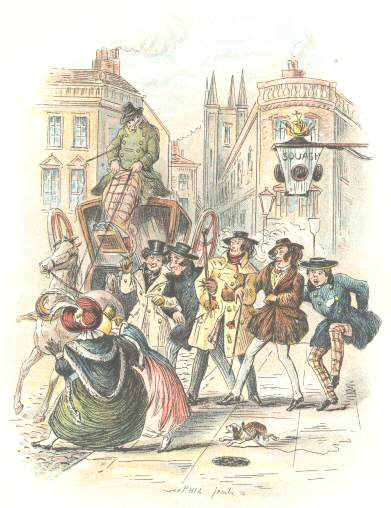
Comments